
Newsletter July 2026

View this newsletter online via Mailchimp
“Pandemic preparedness is a collective responsibility”
Welcome to the latest DURABLE newsletter!
In this newsletter we would like to share with you the DURABLE Mooc on Research Management in Outbreak Preparedness and Response that has been developed, the latest publications and lot’s of bio’s from researchers from the DURABLE network.
Enjoy the read!

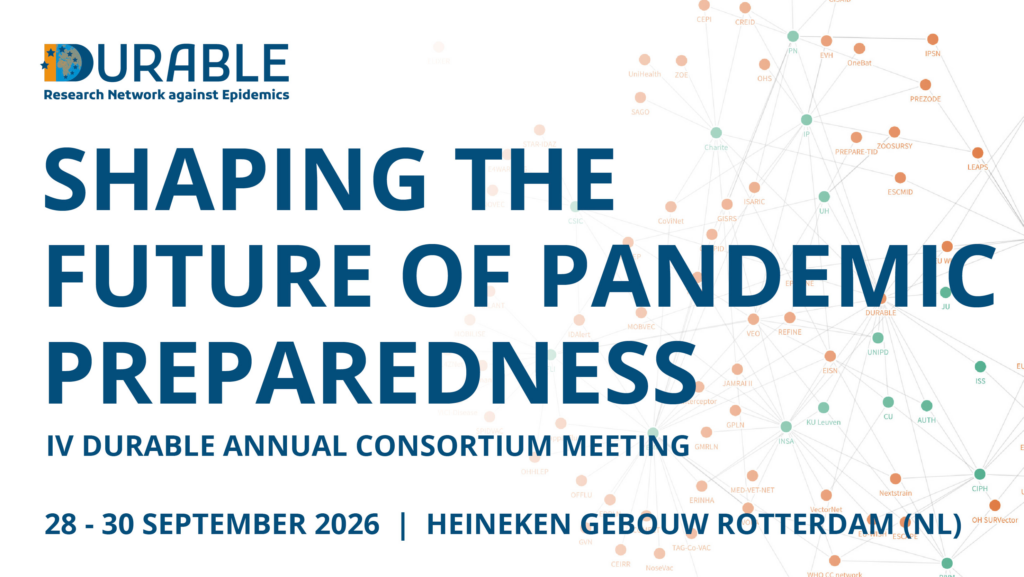
Dates: 28 – 30 September 2026
Location: Heineken Gebouw, Rotterdam, The Netherlands
From 28-30 September, the DURABLE consortium will gather in Rotterdam, the Netherlands, for the fourth and final DURABLE Annual Meeting. The event will bring together researchers, public health professionals, policymakers and project partners to reflect on four years of collaboration in strengthening pandemic preparedness across Europe.
The meeting will showcase the project’s key achievements and results, highlighting advances in outbreak preparedness, surveillance, diagnostics, modelling and collaborative response. It will also provide an opportunity to discuss how these outcomes can contribute to future research, policy and practice in pandemic preparedness.
Beyond presenting the project’s final results, the meeting offers a platform to exchange knowledge, strengthen collaborations and explore the future of sustainable preparedness beyond the lifetime of the DURABLE project.
ERC Advanced Grant for prof. Johan Neyts
Image: © University of Melbourne – Josefina Vargas
Professor Johan Neyts of the KU Leuven in Belgium was awarded a prestigious European Research Council (ERC) Advanced Grant for his groundbreaking project, titled ANTIVIRMAP (Discovery of druggable antiviral targets and replication mechanisms across viral families through chemical probing).
“Viruses, known or yet to emerge, will always remain a health threat,” says Johan Neyts. “Vaccines prevent infections and antiviral drugs are needed for treatment. For most viral infections, however, such drugs do not exist nor are even on the horizon. There is even little knowledge about the weak spots of most viruses and how to block their replication. With ANTIVIRMAP I want to fundamentally revolutionize the discovery of novel targets that can be exploited to develop antiviral drugs. The rabies virus is one of the viruses I will study. Each year at least sixty thousand people die an agonizing death because of rabies. Once symptoms appear, mortality is 100% certain. This is unacceptable; I want to act.”
ERC Advanced Grants are awarded to individual researchers for a five-year period and are awarded to fundamental, ground-breaking research on the basis of one single criterion: excellence.
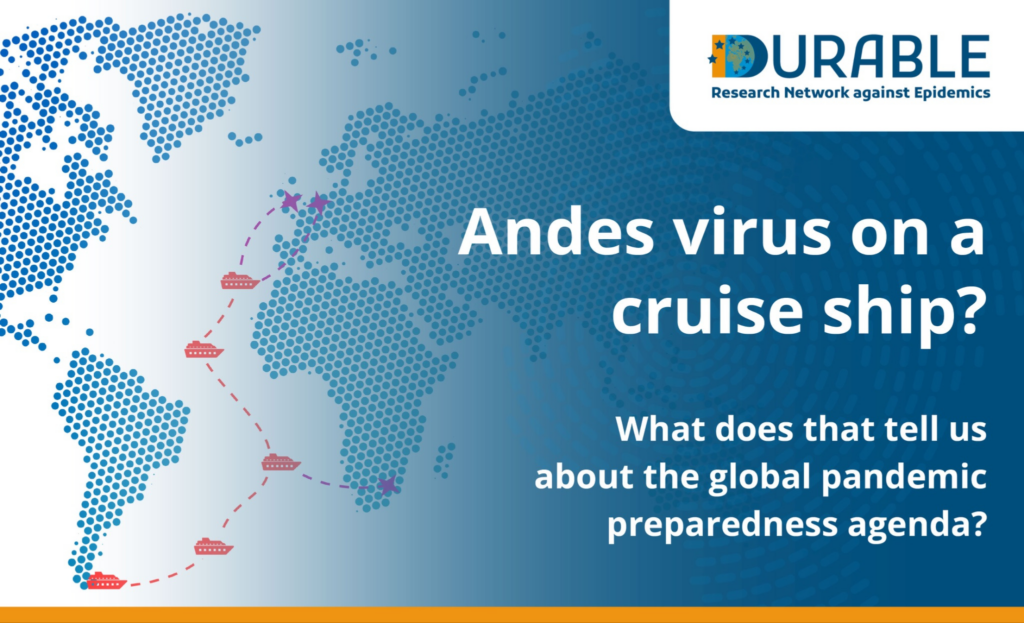
How can we further strengthen global preparedness?
The outbreak of hantavirus disease caused by the Andes virus aboard a cruise ship highlights the complexity of managing an international outbreak. It serves as another reminder that preparedness cannot remain a reactive exercise initiated only during crises. The outbreak also highlights the need for sustained preparedness efforts, particularly as financial pressures threaten critical public health capacity. It underscores the gap between pathogen risk recognition and the availability of deployable medical countermeasures, reinforcing the need for an “all-of-society” approach that involves stakeholders and societal groups beyond the public health sector at every stage of the preparedness and response cycle.
In this recently published Lancet article, Marion Koopmans et al. place this outbreak within the broader context of global epidemic and pandemic preparedness. Several of the paper’s main authors are members of the DURABLE project, which liaises with expert networks relevant to emerging disease preparedness and response.
Check out the authors’ recommendations to strengthen outbreak preparedness and response in the Viewpoint article in the Lancet here: https://www.thelancet.com/journals/lanepe/article/PIIS2666-7762(26)00167-5/fulltext
New MOOC: “Research Management in Outbreak Preparedness and Response”
New DURABLE MOOC! What do you do when a health crisis strikes?
Effective response starts long before the outbreak: with strong preparedness, effective coordination, and strong research management.
The DURABLE MOOC “Research Management in Outbreaks Preparedness and Response” is now live!
In this MOOC, experts from the DURABLE network involved in outbreak preparedness and response share practical insights on how research is organized in emergency contexts, and how coordination, regulation, ethics, logistics, technology transfer, and equity all contribute to effective and trustworthy research action.
💬 Insights from professionals involved in real outbreak response
💬 Short and accessible expert-led sessions
💬 Designed for researchers, research managers, and global health professionals
👉 Join now: https://www.fun-mooc.fr/en/courses/research-management-in-outbreaks-preparedness-and-response/
The DURABLE course is coordinated by the Pasteur Network in the context of the DURABLE project and it is a collaboration with DURABLE partners Institut Pasteur (Paris), Erasmus MC, Charité – Universitätsmedizin Berlin, KU Leuven, Fundação Oswaldo Cruz (Fiocruz), Institut Pasteur de Dakar, TDR (the Special Programme for Research and Training in Tropical Diseases),#Bioport with support from the #DURABLE Project and cofunded by the European Union.

Mpox clade Ib in Europe – sharing raw sequencing data
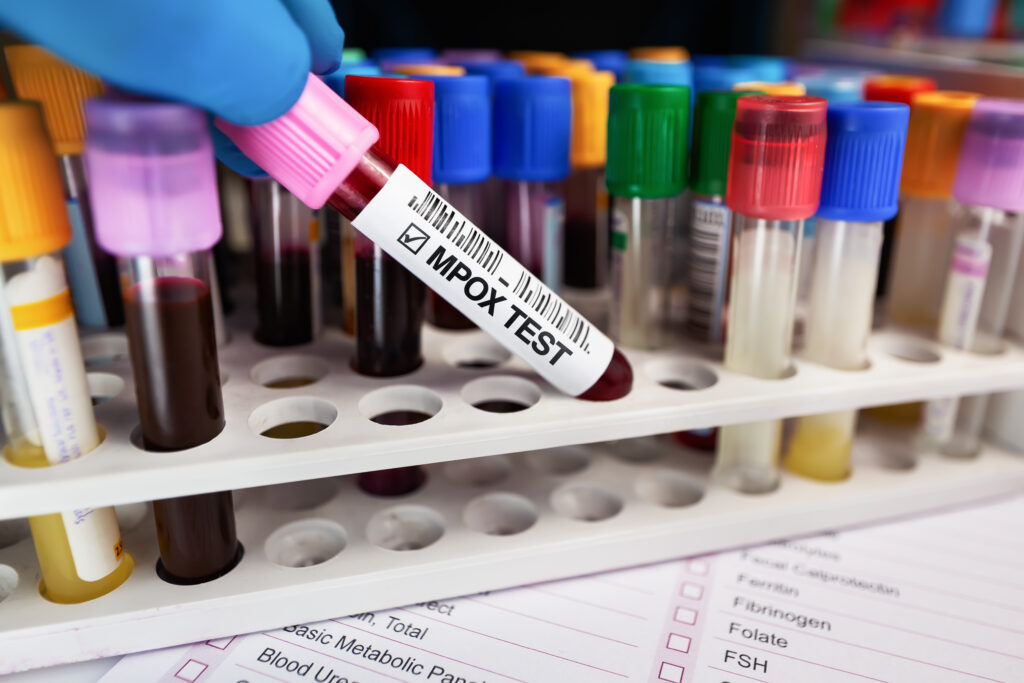
Since the end of last year, several autochthonous transmission clusters of mpox clade Ib have been reported in multiple European countries, occurring alongside the more widely circulating mpox clade IIb lineage. In response, several DURABLE partners have initiated investigations using whole genome sequencing to better understand how mpox clade Ib is spreading across Europe.
These efforts have highlighted a key challenge: the genomic constellation of the virus is complex, and platform- and laboratory-specific clustering effects have been observed. To account for such artificial variation, parts of the genome are often masked during analysis. While necessary, this approach may also obscure true genetic variation and relevant mutations.
Within DURABLE, we would therefore like to further investigate the spread of mpox clade Ib in Europe by analysing the raw sequencing reads generated by different partners. Analysing raw data across laboratories will allow us to maximise genomic resolution and more accurately reconstruct transmission patterns of mpox clade Ib within Europe.
We kindly invite you to participate in this initiative and ask whether you would be willing to share raw sequence data for mpox clade Ib cases. The overarching objective is to jointly develop and apply a common analytical approach that can be used across datasets and laboratories.
Contributors of raw sequencing data will be invited to actively participate in online coordination and discussion meetings and will be offered co‑authorship on any resulting publication, in accordance with standard authorship criteria.
If you are interested in contributing to this work, we kindly ask you to indicate your willingness and provide relevant details by completing the online spreadsheet (https://1drv.ms/x/c/d413a40d3169bd5d/IQBtS0jGyP8RQ7rhphaXU_ipAfeAmq6fFUqHQ6ZDNQK6SmQ).
This will help us coordinate data availability and move forward efficiently.
With kind regards,
Bas Oude Munnnink, David Nieuwenhuijsse, Leonard Schuele, Marion Koopmans;
Department of Viroscience, Erasmus University Medical Center, Rotterdam, the Netherlands.
Christina Merakou, Department of Infectious Diseases, Istituto Superiore di Sanità, Rome, Italy.
Daniel Sobral, Rita Cordeiro, Vitor Borges; Genomics and Bioinformatics Unit, Department of Infectious Diseases, National Institute of Health Doutor Ricardo Jorge (INSA), Lisbon, Portugal.
Guy Baele, Department of Microbiology, Immunology and Transplantation, Rega Institute, Katholieke Universiteit Leuven, Belgium.
Veronique Hourdel, Institut Pasteur, Université Paris Cité, Environment and Infectious Risks Unit, Laboratory for Urgent Response to Biological Threats (CIBU), Paris, France.
Strengthening Pandemic Preparedness Through Collaboration: DURABLE × E4Warning Survey Initiative
Support stronger European and global preparedness for mosquito-borne diseases. The E4Warning Horizon Europe project is inviting stakeholders to contribute to a short survey assessing gaps and needs in surveillance, modelling, and response systems for diseases such as West Nile virus and dengue: https://www.e4warning.eu/
Supported by the DURABLE project, this initiative promotes harmonised protocols, shared data streams, and cross-border coordination—key elements for improving pandemic preparedness and response across Europe and beyond.
Your input (10–12 minutes) will help identify common priorities, strengthen collaboration, and shape future joint actions.
Participate here: https://docs.google.com/forms/d/e/1FAIpQLSfgTs4sDQMdcLDdoZ33agB1JdVryi6CKTXExZO0Wm_-PSoWwQ/viewform?usp=header
Marion Koopmans appointed Fellow of the European Academy of Microbiology
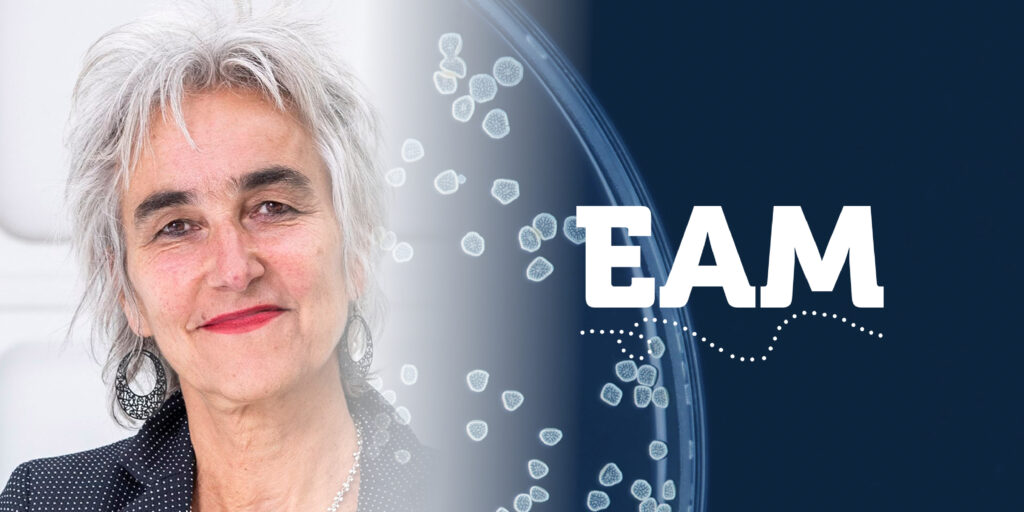
Professor Marion Koopmans – WP11 leader of DURABLE, Scientific Director of the Pandemic Disaster and Preparedness Center in Rotterdam, The Netherlands – has been appointed Fellow of the European Academy of Microbiology (EAM). The EAM is a community of over 200 leading microbiologists from across Europe and beyond, who are committed to strengthening the visibility, impact, and future of microbial science. The appointment recognizes both her scientific achievements and her contribution to the wider microbiology community.
As an EAM Fellow, Prof. Koopmans will contribute expertise, insight and perspective to scientific discussion and policy dialogue. Together with Fellows from across disciplines and countries, she is committed to advancing microbiology and supporting its role in addressing global challenges.
Read more about the EAM here.
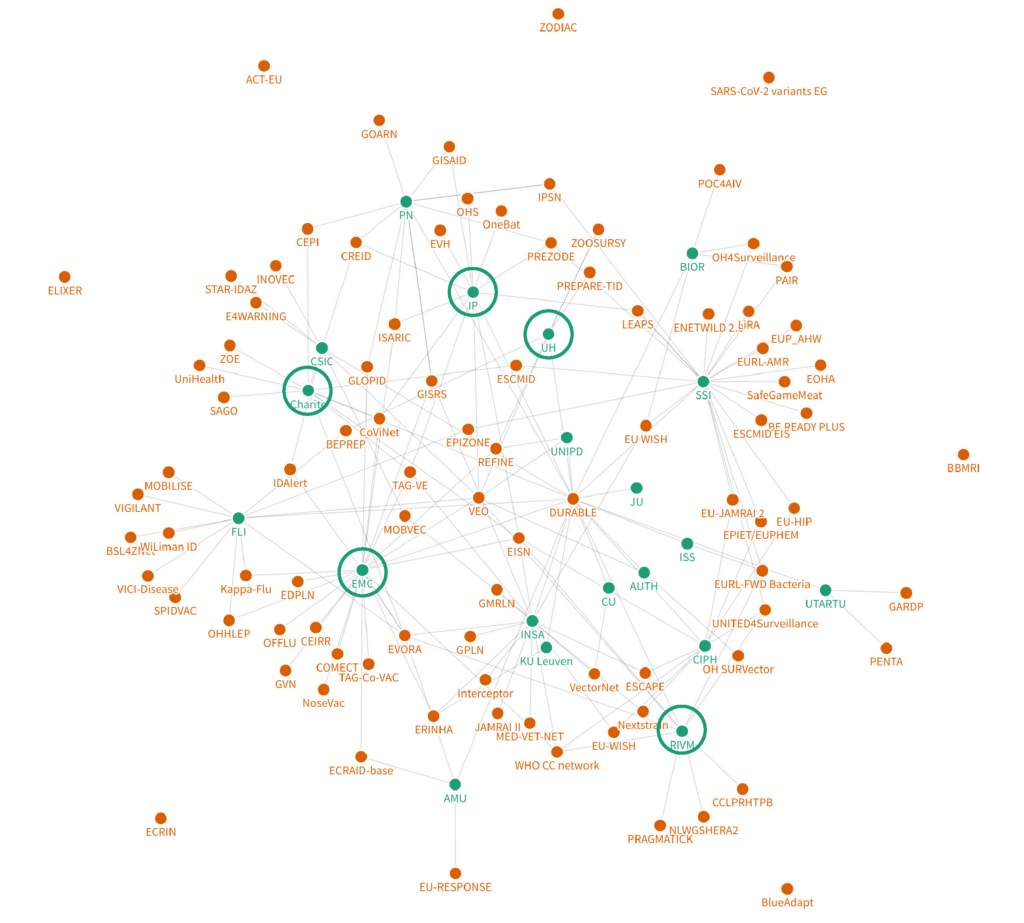
DURABLE and European Vaccine Hub (EVH) are joining forces to advance Europe’s pandemic vaccine preparedness
Addressing the fragmentation of current modelling efforts, DURABLE and the European Vaccine Hub are building a unified platform – and proposing a dedicated think tank – to integrate population immunity, production planning and supply chain logistics into one actionable tool. By combining EVH’s expertise in research and development of safe and effective vaccines and monoclonal antibodies with DURABLE’s expertise in modelling and translating research into policy guidance, we are turning complex research into coordinated, practical action.
Read more about the European Vaccine Hub: https://www.europeanvaccineshub.eu/
DURABLE and Be Ready are committed to strengthen Europe’s pandemic preparedness
By combining Be Ready’s pan-European clinical network and ecosystem coordination with DURABLE’s rapid intelligence, pathogen research and predictive modelling, we are ensuring our activities remain complementary and avoid overlap. We will coordinate crisis response—from early threat detection to clinical trials—and share insights regularly so that the two networks can mutually inform the respective strategic agendas. Together, we are building a unified, resilient research landscape.
Read more about Be Ready: https://beready4pandemics.eu/

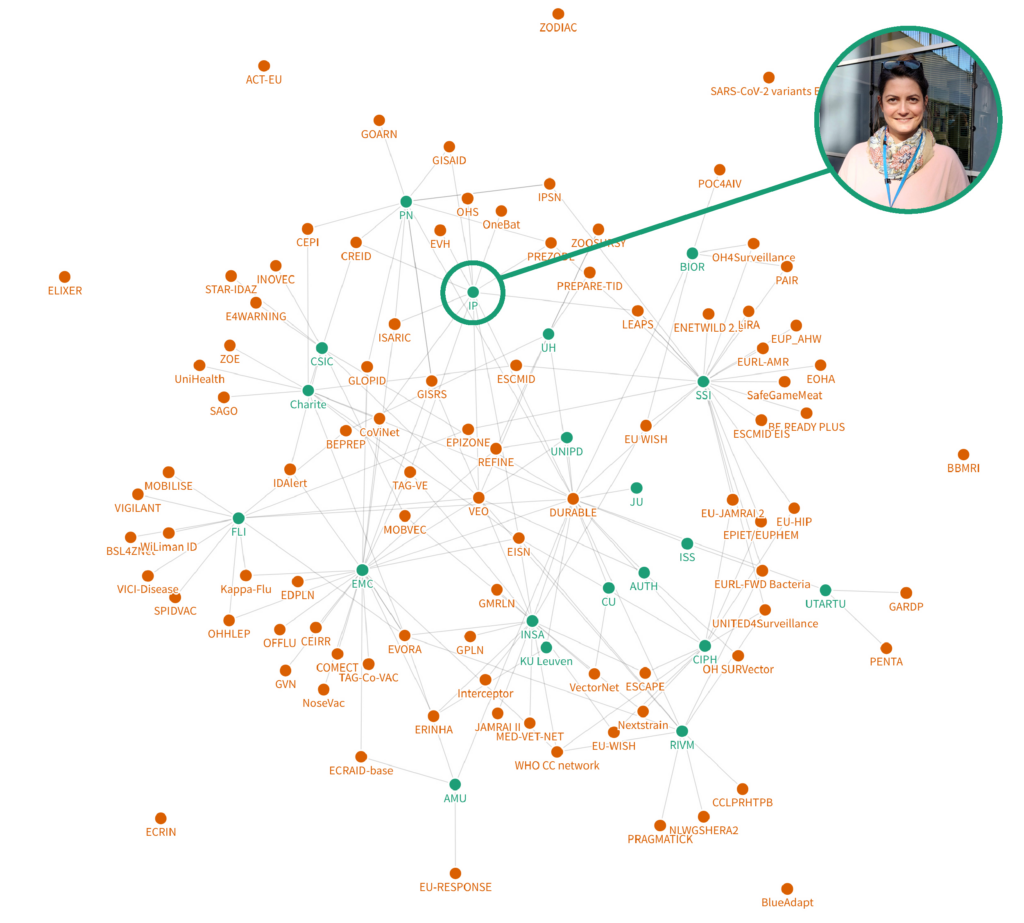
DELPHINE PLANAS
INSTITUT PASTEUR
I am Delphine Planas, an INSERM researcher working at the Institut Pasteur in Olivier Schwartz’s unit and in the Infection, Antimicrobials, Modelling and Evolution Unit.
My research focuses on respiratory viruses and their interactions with the respiratory tract, with a particular interest in how the complexity of the epithelium and its constant exposure to the environment influence viral replication and the cytopathology of respiratory infections.
Read the short interview on the DURABLE website
“Being connected to DURABLE offers the opportunity to contribute to collaborative projects, broaden the scope of my research, and integrate my work into a wider multidisciplinary effort”
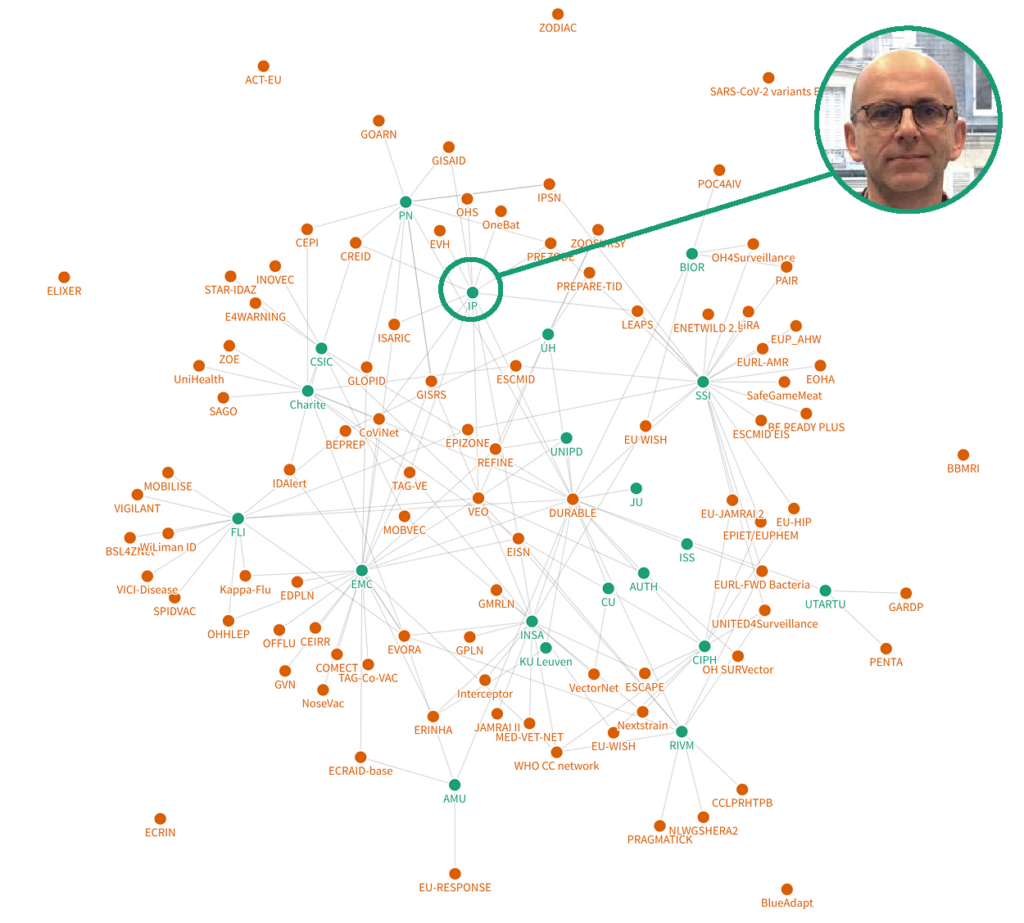
OLIVIER SCHWARTZ
INSTITUT PASTEUR
My name is Olivier Schwartz, a virologist at Institut Pasteur in Paris. Institut Pasteur has a long historical role in infectious disease research, public health, and the study of pathogens that affect human populations worldwide. It has been at the forefront of virology, immunology, and epidemic preparedness for decades, and it remains a major international reference point for fundamental and translational research.
Read the short interview on the DURABLE website
“Major viral threats cannot be addressed by one laboratory, one institute, or one country alone. They require shared expertise, resources, and scientific ambition”
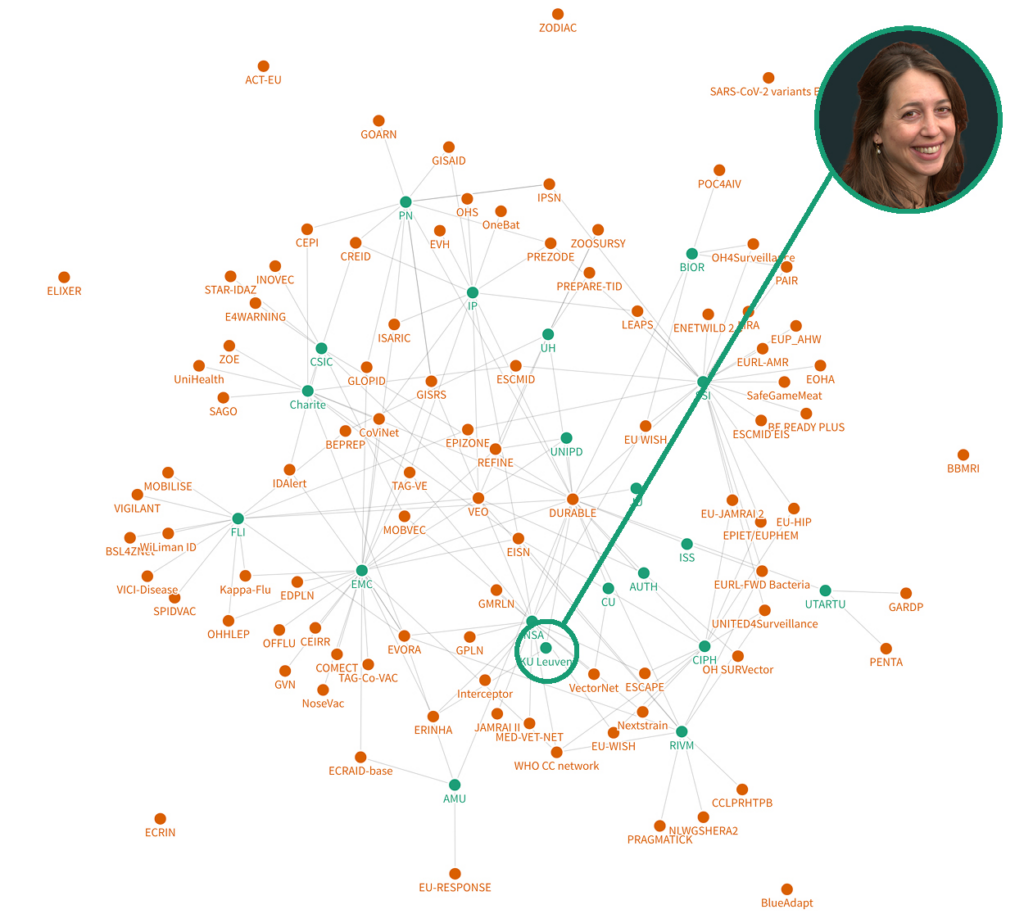
MANON LAPORTE
KU LEUVEN
I am a Research manager at the Rega Institute for Medical Research (KU Leuven) and work in the Virology, Antiviral Drug & Vaccine Research Group, headed by Johan Neyts.
My research focus is on antiviral drug discovery. I guide several phenotypic antiviral screening projects where we use high-throughput screening of small molecules to identify novel druggable targets in the replication cycle of viruses with epidemic and or pandemic potential.
Read the short interview on the DURABLE website
“I see DURABLE as a chance to help shape a sustainable European preparedness ecosystem, one that strengthens our ability to detect, understand, and counteract emerging viral threats before they escalate”
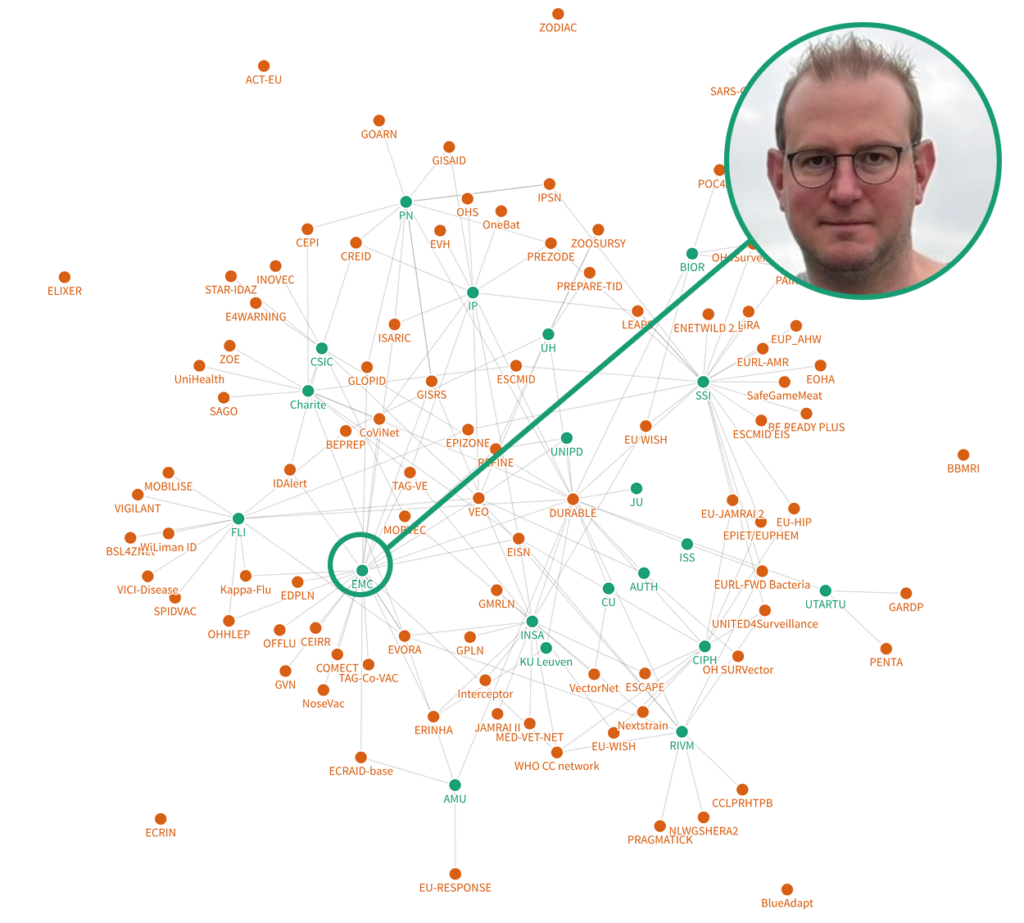
BAS OUDE MUNNINK
ERASMUS MC
I am an assistant professor at the Erasmus MC in Rotterdam, The Netherlands, where I lead the pathogen genomics group. In my research group, we apply a broad range of sequencing technologies and bioinformatic approaches to monitor the emergence and spread of emerging viruses. In addition, we use metagenomic sequencing and advanced computational tools for the discovery of novel viruses.
Read the short interview on the DURABLE website
“DURABLE? An inspiring, interdisciplinary network that enables rapid, well‑coordinated responses to emerging viral disease outbreaks”
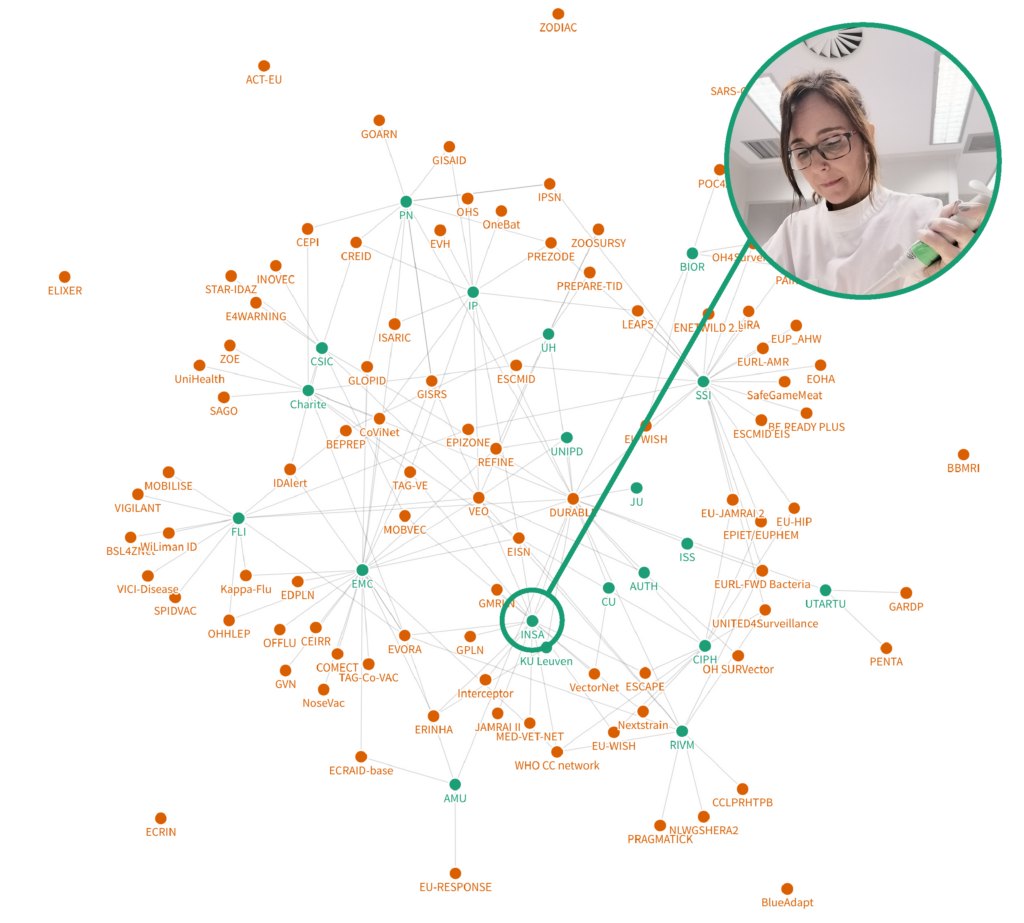
LÍBIA ZÉ-ZÉ
INSA
I am a molecular biologist specialising in the diagnostics of vector-borne viruses (VBV) and the molecular screening of arboviruses in arthropod vectors.
Since 2026, I have been Head of the Portuguese National Reference Laboratory for Vector-Borne Viruses at the National Health Institute Dr. Ricardo Jorge (Centre for Vectors and Infectious Diseases Research, CEVDI, INSA).
Read the short interview on the DURABLE website
“DURABLE unites experts from different backgrounds who are dedicated to offering prompt, multidisciplinary responses to emerging threats by enhancing surveillance, improving pathogen detection, and directing targeted control strategies”
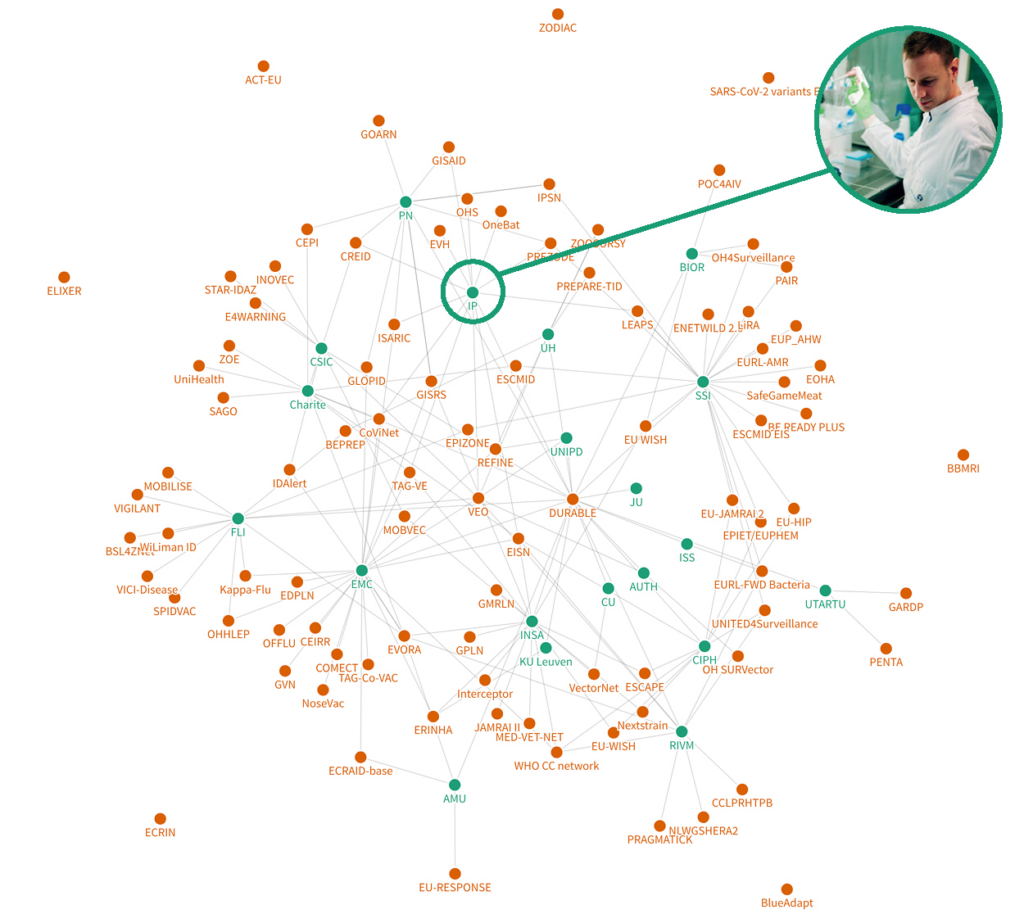
ETIENNE SIMON-LORIERE
INSTITUT PASTEUR
I’m an evolutionary virologist, leading a small research team in the Virology Department at Institut Pasteur in Paris. My core interest is understanding the mechanisms and consequences of RNA viruses evolution as they circulate in populations or emerge from their reservoir. I have been very fortunate to gain experience through interactions with colleagues with very different background, many of them working in Africa or Southeast Asia, often in response to outbreaks. Because of this, my approach now combines genomic epidemiology and laboratory models of evolution. The lab includes both experimentalists and computational biologists, all aiming to better understand and find ways to combat these pathogens. I’m also more and more interested in how we communicate our results to non-scientists (https://www.youtube.com/watch?v=cB56mTOX6Wg).
Read the short interview on the DURABLE website
“Being exposed to the coordination efforts to foster synergies and translate the basic science data into actionable information is a growing experience”
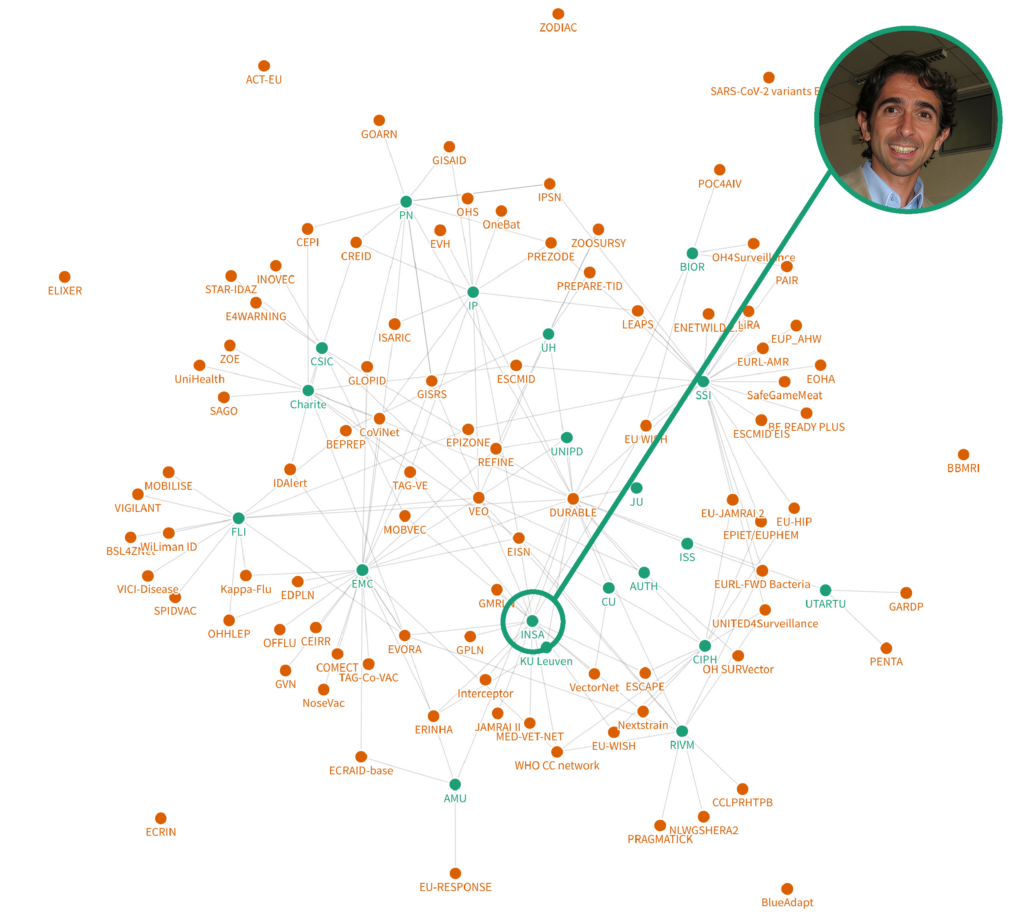
DANIEL SOBRAL
INSA
I am a senior bioinformatician working within the Genomics and Bioinformatics Unit of the Department of Infectious Diseases at INSA, the Portuguese National Institute of Health. My path was a winding one: trained originally as an informatics engineer, I did a PhD in bioinformatics in France, on gene expression and transcriptional regulation in chordate development. After that I spent years on the functional genomics side of biology — postdoctoral work at the European Bioinformatics Institute building pipelines for large projects like ENCODE, then leading the Bioinformatics Facility at the Instituto Gulbenkian de Ciência, and later working on cancer biology at UCIBIO FCT-NOVA.
Read the short interview on the DURABLE website
“Pathogens don’t respect borders, and neither should the data and tools we use to track and fight them. As the 2022 mpox outbreak made plain, the connected, real-time capacity DURABLE is building is exactly what a fast response needs”
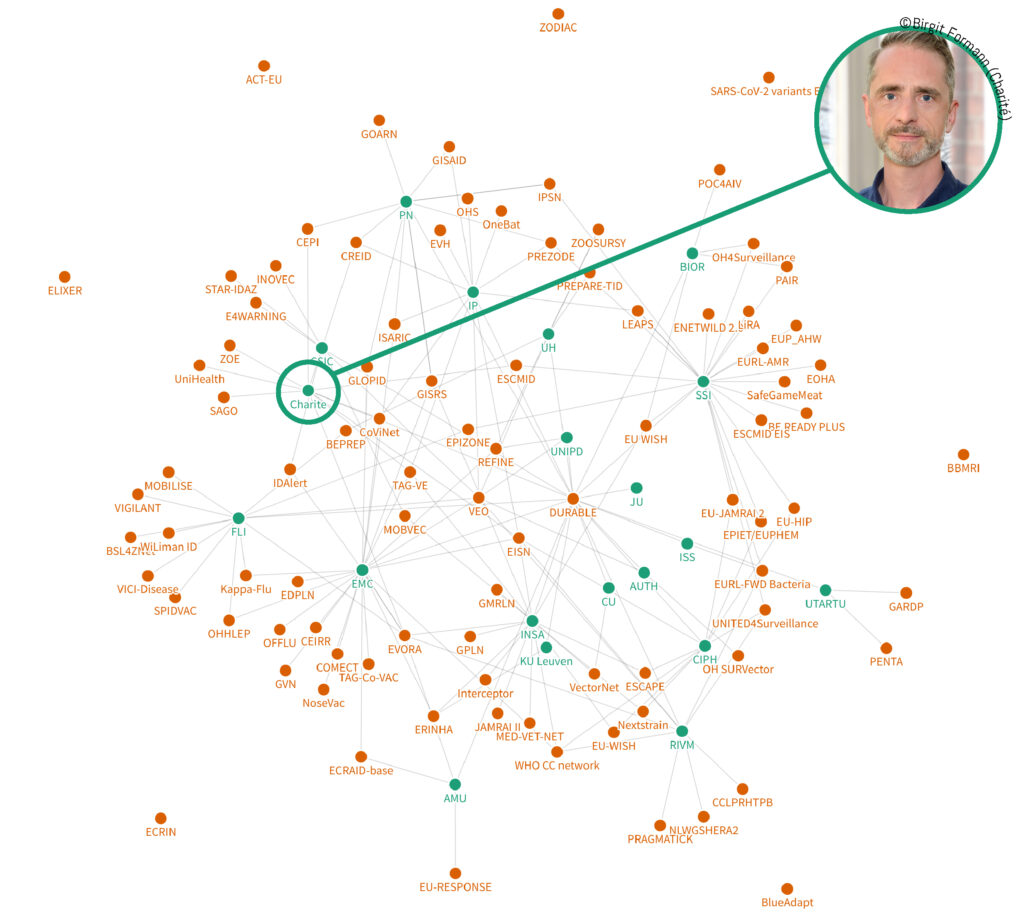
MARCEL MÜLLER
CHARITÉ
I am a Professor of Virology at Charité – Universitätsmedizin Berlin, Germany. I currently lead a research group investigating coronavirus epidemiology, evolution, and comparative pathogenesis, with the goal of translating discoveries into improved pandemic preparedness. I am driven by curiosity about where viruses come from, how they cross species barriers, and how they interact with the immune system. My fascination with these questions began during my PhD, when I discovered that African bats carry SARS-related coronaviruses. That finding shaped my lifelong commitment to studying emerging pathogens. Understanding and preventing future pandemics remain a major motivation for my work.
Read the short interview on the DURABLE website
“The transdisciplinary collaborations within DURABLE are key to improving pandemic preparedness”
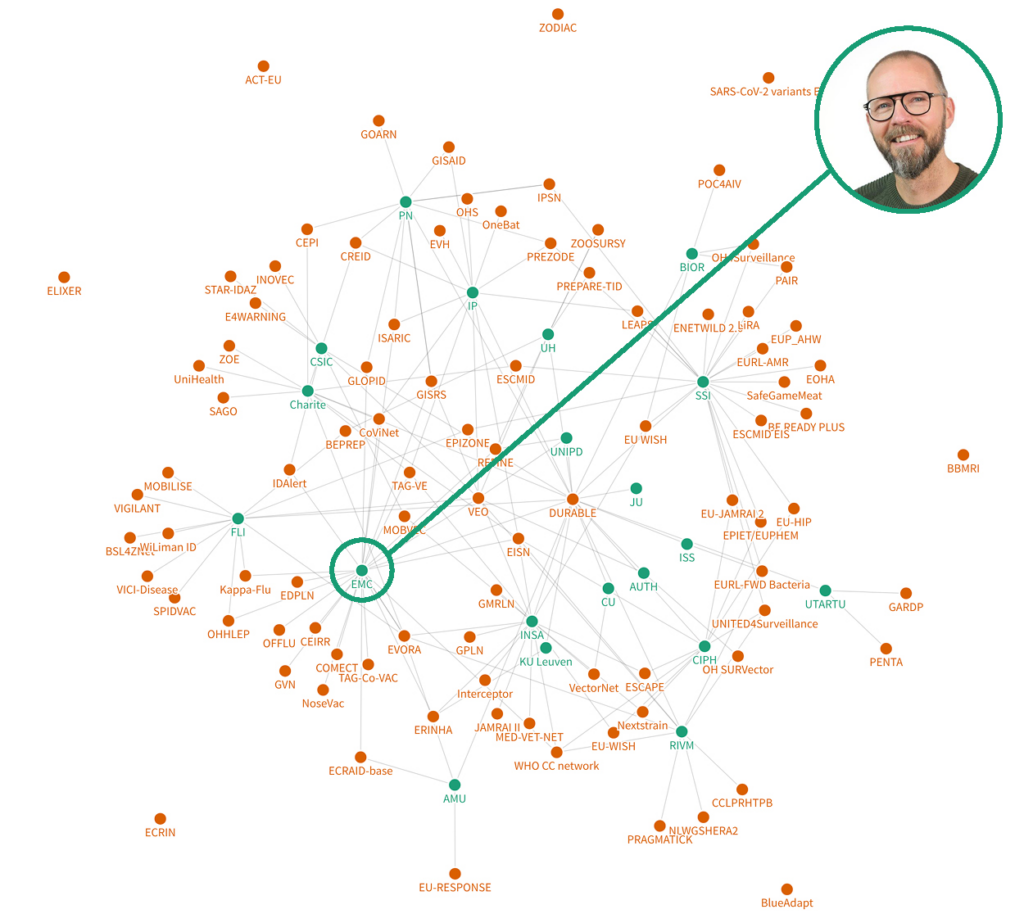
GIJS VAN NIEROP
ERASMUS MC
I am an assistant professor in viro-immunology at Erasmus MC, focussed on understanding how pre‑existing cross-reactive immune responses impact the outcome of viral infections and vaccination. What drives me scientifically is the challenge of translating complex immune biology into insights that can genuinely inform vaccine design and public‑health decision‑making in outbreak situations.
Read the short interview on the DURABLE website
“DURABLE? Bringing together complementary expertise across disciplines and institutes, creating a shared framework for addressing questions that no single group can answer alone”

Andes Virus on a Cruise Ship, what it Tells us About the Global Pandemic Preparedness Agenda
M. Koopmans et al., The Lancet Regional Health – Europe, June 2026
Autochthonous dengue outbreak in Northern Italy, September 2024: epidemiological, microbiological, entomological investigation and public health response
J. Singh et al., Travel Medicine and Infectious Disease, May–June 2026
A coronavirus assembly inhibitor that targets the viral membrane protein
M. Laporte et al., Nature, 26 March 2025
Targeted metagenomic recovery of coronaviruses from wildlife samples
Preprint – C.M. Johnston et al., BioRxiv, 5 May 2026
First detection of West Nile virus in Belgium through wild bird surveillance, Belgium, 2025
C. Sohier et al., Eurosurveillance, 29 Jan 2026
First detection of Usutu virus in wild birds in Denmark, 2024
L. Vebæk Gelskov et al., Scientific Reports, 13 Jan 2026
High-throughput split-GFP antiviral screening assay against fusogenic paramyxoviruses
L. Vandemaele et al., Antiviral Res., September 2025

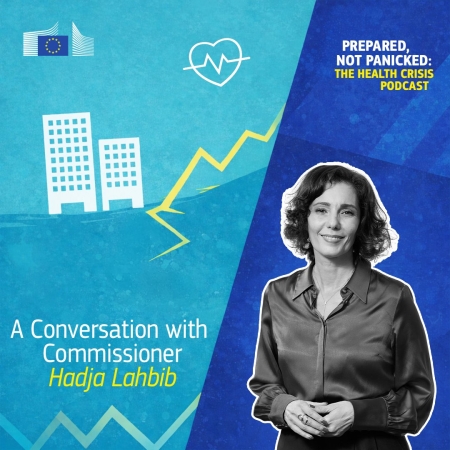
DG HERA podcast “Prepared, not Panicked: The Health Crisis Podcast”
Did you know? Health crisis preparedness has a voice. DG HERA has shared the Prepared, not Panicked: The Health Crisis Podcast, a series dedicated to strategic conversations on Europe’s health security and preparedness. The first episode features Commissioner Hadja Lahbib discussing how the EU can move from crisis response to sustained preparedness. The podcast is available in English, French and German.
For an overview of all podcast go to – overview podcasts

17-28 August 2026
One Health Summer School

The Netherlands) and Heidelberg (Germany) and deepen your understanding of the One Health methods and practical tools to study and address risks of infectious diseases.
Dates: 17-28 August 2026
Location: Rotterdam, The Netherlands and Heidelberg, Germany
Read more: Click here for more information – registration is closed.
14-17 September 2026
HCV-Flavi 2026 – Copenhagen
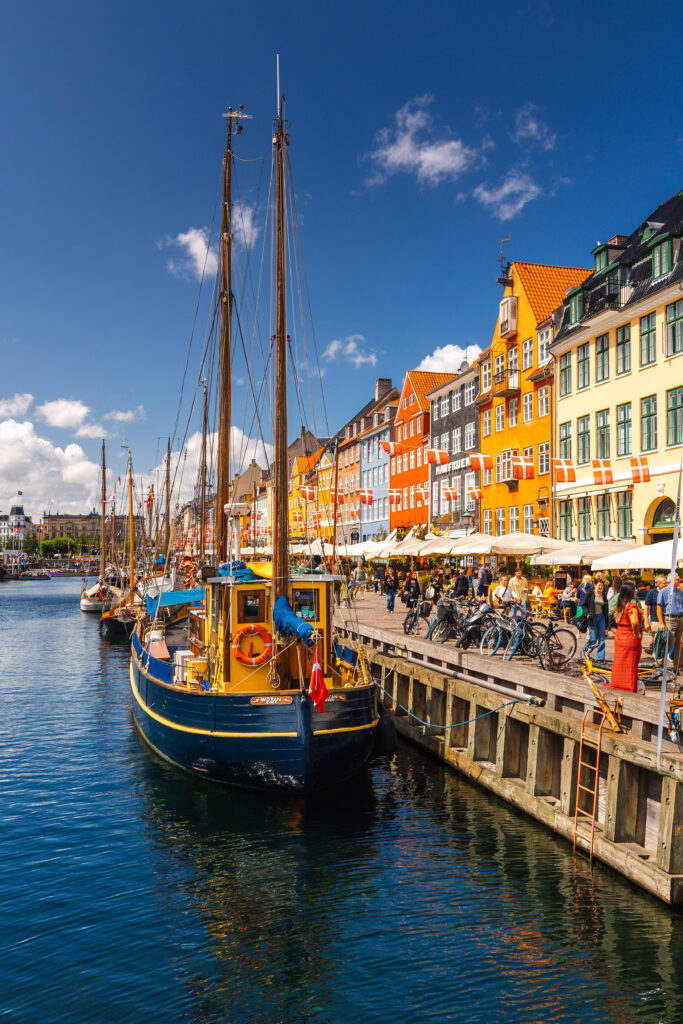
HCV-Flavi 2026
Dates: 14 – 17 September 2026
Location: Copenhagen, Denmark
Read more and register via: https://hcv-flavi2026.org/
A top-tier program and the venue – the iconic Black Diamond right at the waterfront – will provide an exceptional environment to present your latest findings and engage with the international community.
We’ve also planned some great opportunities to reconnect outside the sessions, including a Welcome Reception at the historic Copenhagen City Hall and a Gala Dinner in the magical Tivoli Gardens.
Looking forward to hopefully seeing you in Copenhagen!
On behalf of the organizers Profs. Jens Bukh, Judith M. Gottwein, Troels K. H. Scheel
28-30 September 2026
IV DURABLE Annual Consortium Meeting
Dates: 28 – 30 September 2026
Location: Heineken Gebouw, Rotterdam, The Netherlands
Registration: 2026 DURABLE Annual Meeting Registration – no later than July 13 !
Venue and Programme
Please note that the meeting venue has changed since our previous announcement and will now be Heineken Gebouw. It remains centrally located in Rotterdam and is very well connected by public transport (Crooswijksesingel 50, 3034 CJ Rotterdam, Netherlands).
5–7 October 2026
4th IC – CCHF International Conference
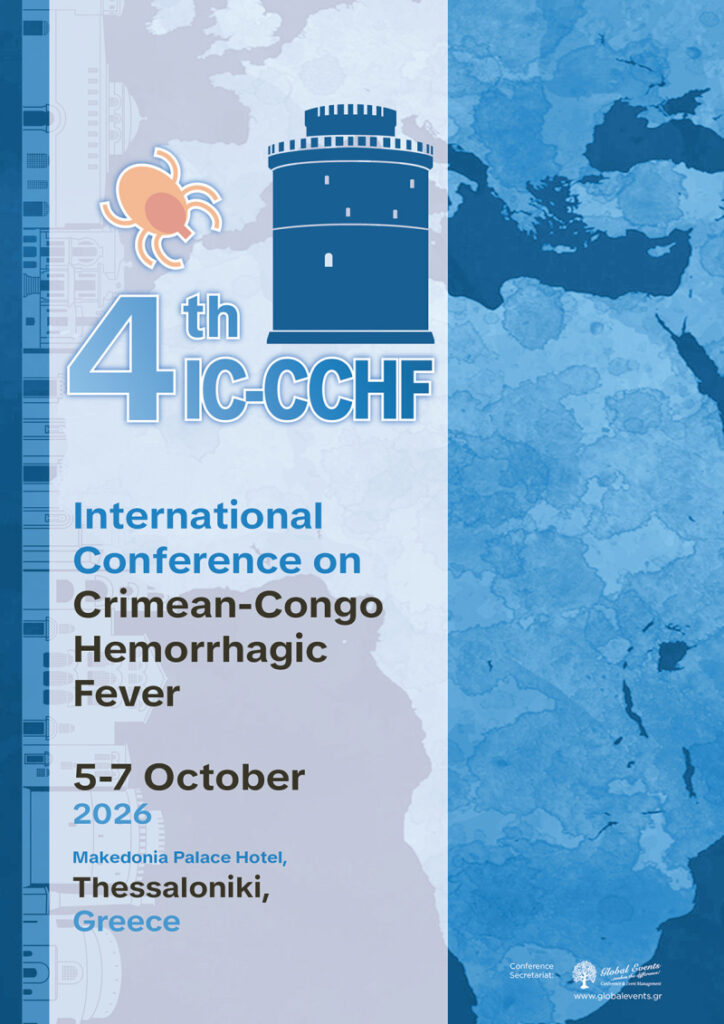
International Conference on Crimean – Congo Hemorrhagic Fever
Dates: 5 – 7 October
Location: Thessaloniki, Greece
Read more and register via: https://4thiccchfconference.com/
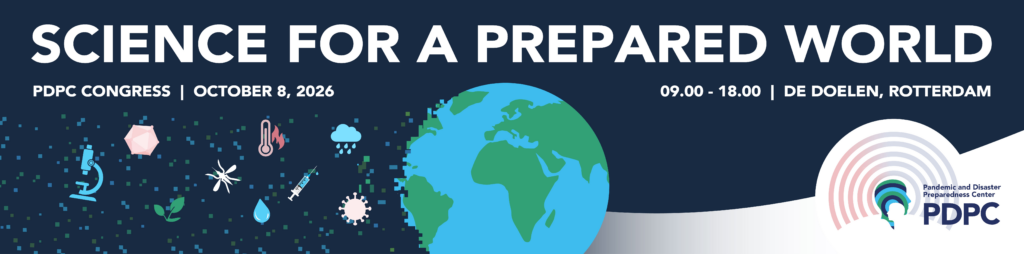
PDPC Congress
Date: Thursday 8 October 2026
Time: 09.00 – 18.00
Location: De Doelen, Rotterdam – The Netherlands
This year’s congress will bring together researchers, practitioners, policymakers, and other experts in the field, to discuss how we can best prepare ourselves for future pandemics and disasters.
Register here: https://convergence.nl/event/4th-edition-of-the-pandemic-disaster-preparedness-congress/

Strengthening Europe’s Epidemic Preparedness
DURABLE (Delivering a Unified Research Alliance of Biomedical and public health Laboratories against Epidemics) is a European research consortium that builds a coordinated network of top diagnostic and public health laboratories to improve preparedness for infectious disease outbreaks and other health threats. It provides high-quality scientific data quickly to support decision-making by health authorities like HERA, including pathogen detection, analysis, and response planning. The project also focuses on sustainable capacity building, training, and rapid deployment of countermeasures to better prevent and respond to future epidemics.
Learn more about our activities: www.durableproject.org

Institut Pasteur
25-28 Rue du Dr Roux
75015 Paris
France
+33 1 45 68 80 00
comm_durable@pasteur.fr
Erasmus MC
Dr. Molewaterplein 40
3015 GD Rotterdam
The Netherlands
+31 10 704 0 704
projects.viroscience@erasmusmc.nl
Want to share news, a publication or an agenda item?
Send it to our editor Maaike.