
Newsletter January 2026

View this newsletter online via Mailchimp
Welcome to the latest DURABLE newsletter!
We’re excited to share some great updates, including the launch of the DURABLE Air Sampling Network and an updated overview map of the European infectious disease networks, research consortia, and other initiatives — and how they connect to DURABLE partners. You’ll also find a series of short, interviews with researchers involved in DURABLE, from early-career scientists to established experts in the field. Enjoy the read — and for the next edition, don’t forget to send us your own news and updates!

Invitation to join the DURABLE Air Sampling Network
Following the open WP4 meeting on air sampling held on 17 November 2025, we are pleased to share that the session was a success, with a number of interesting presentations and discussions. Building on this momentum, we would now like to establish a more permanent DURABLE Air Sampling Network to:
- Connect partners who are already working with air sampling or are planning to do so
- Facilitate method sharing and comparison (sampling, extraction, enrichment, analysis, data)
- Identify opportunities for joint work (e.g. pilots, validation studies, training, data sharing)
- Strengthen links across DURABLE work packages
The network will be open to all DURABLE partners, including those who did not attend the November meeting or who are only starting to explore air sampling.
If you are interested in:
- Joining the DURABLE Air Sampling Network
- Being kept informed about upcoming activities (meetings, workshops, potential joint projects)
- Contributing your ongoing or planned air sampling activities

Please contact, Mette Høgh (WP4 Co-Lead), at ANMG@ssi.dk, and kindly CC DURABLE administrators at DURABLE@pasteur.fr.
Updated map
Mapping the European infectious disease networks, research consortia, and other initiatives, and their relationship to DURABLE partners
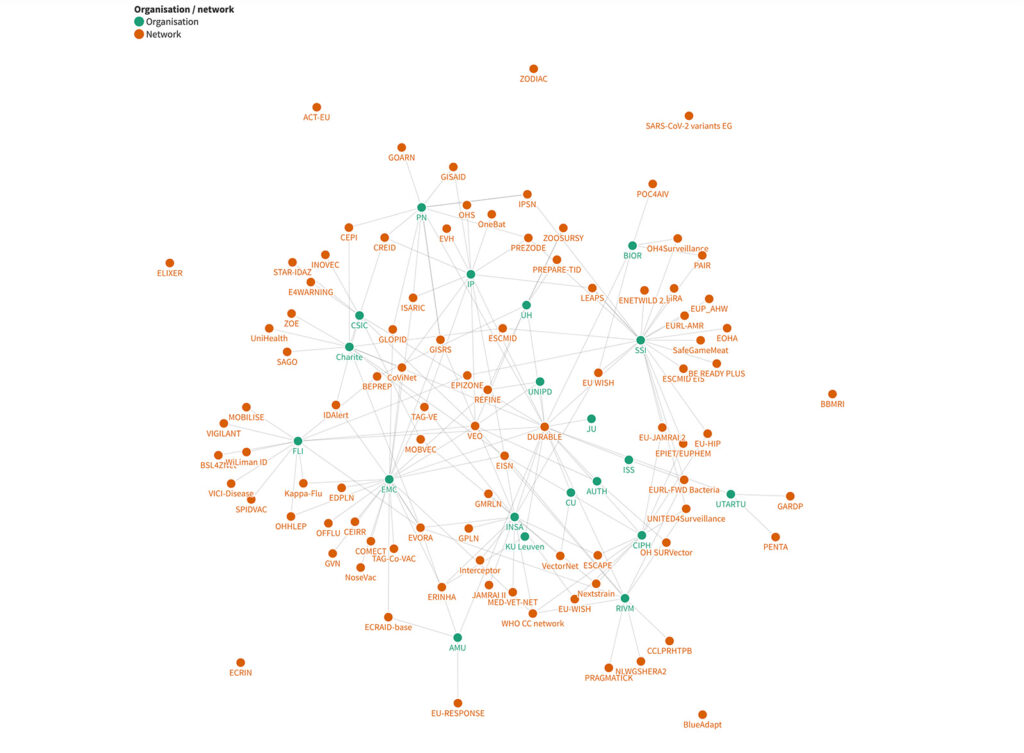
The DURABLE consortium brings together the top-class diagnostic and research laboratories in Europe from medical and veterinary fields, that have been drivers of emerging disease preparedness research and diagnostics for the past decades. DURABLE partners have close links to key initiatives in the clinical field, and ongoing research consortia and infrastructures for pandemic preparedness and response.
DURABLE has designed a work package to map the European infectious disease networks, research consortia, and other initiatives, and their relationship to DURABLE partners. The data obtained will be used to develop direct lines of communication between Durable partners and relevant infectious disease networks in the EU and beyond.
Check out the interactive map on the Durable website: https://durableproject.org/results/

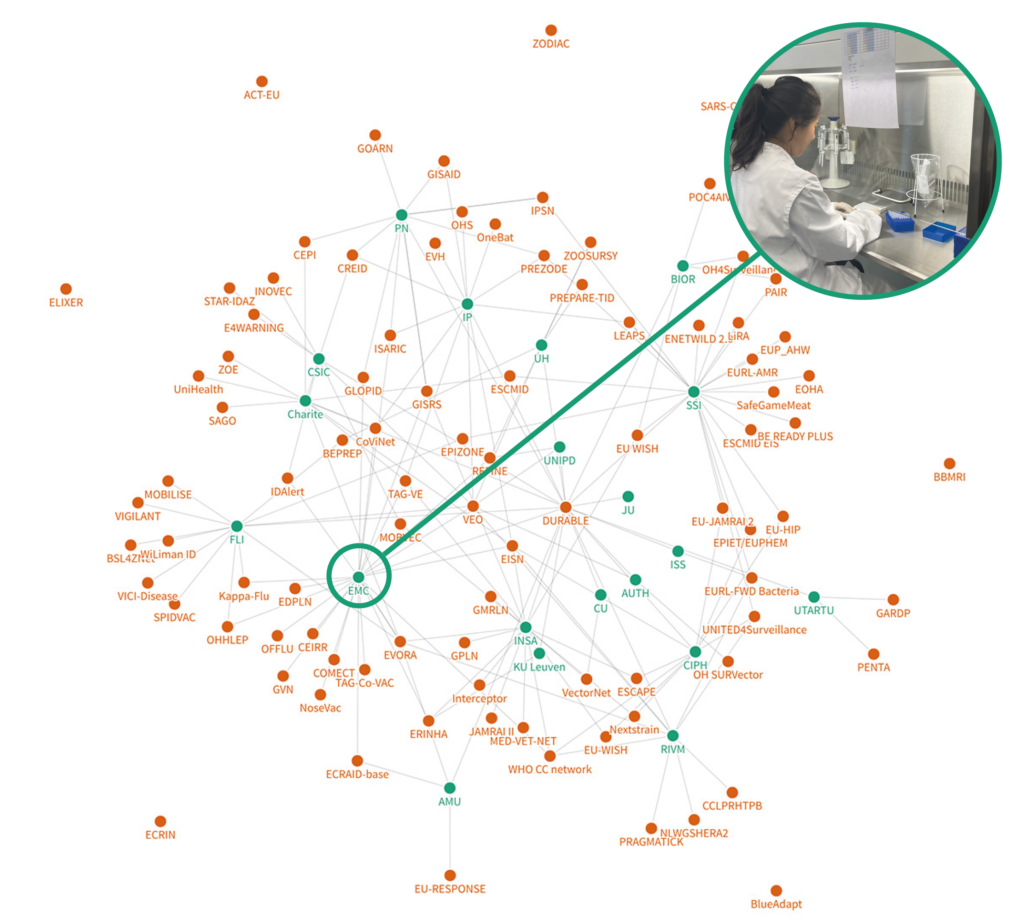
SHREYA GURUNG
ERASMUS MC
Can you share a little about yourself and your research?
I am Shreya Gurung a first-year PhD student supervised by Marion Koopmans, Reina Sikkema, and Bas Oude Munnink at Erasmus MC, in the One Health Public Health Virology and Pathogen Genomics group. My research focuses on emerging viral infections at the human–animal interface, using metagenomics as a tool and exploring ways to improve it. I have always been interested in public health and feel motivated by the idea that my work may contribute positively to society.
How does your research fit into the bigger picture of Durable?
Because my work focuses on building data and surveillance frameworks, validating tools for the early detection of emerging viral threats, and improving risk assessment, it aligns well with Durable’s broader goals.
What motivates you to be part of Durable?
I appreciate the opportunity to translate scientific research into real-world preparedness policies, and I value how people from different scientific backgrounds and countries come together to work toward a shared goal rather than working in isolation.
What do you expect to accomplish in the upcoming years within your own institute and by being connected to Durable?
I hope to contribute to and publish high-impact research that can influence public health strategies, and to build and strengthen collaborations with partner institutions.
What do you expect from Durable in the upcoming near future?
I expect opportunities for knowledge exchange, training, and a platform that amplifies the impact of my research, opens doors to international collaborations, and supports improvements toward a coordinated emergency response that also works effectively in developing countries.
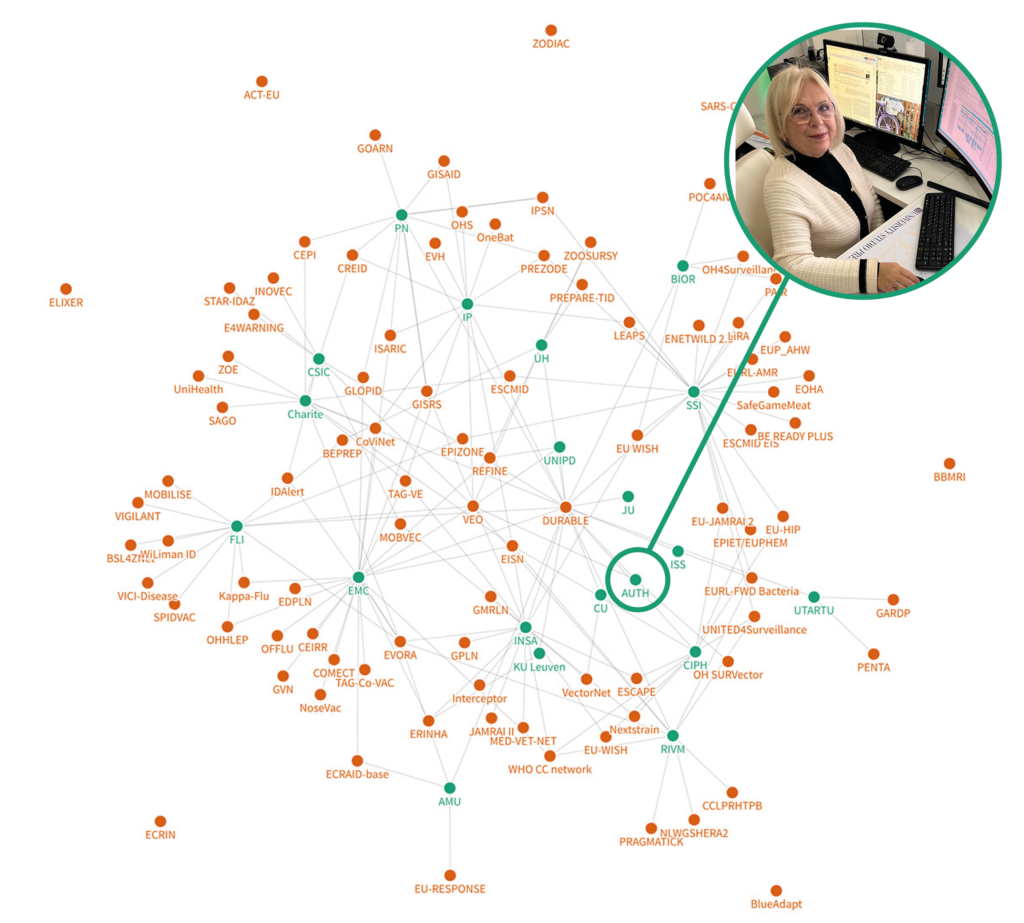
PROF. ANNA PAPA
ARISTOTLE UNIVERSITY OF THESSALONIKI
Can you share a little about yourself and your research?
I am Professor Emeritus at the School of Medicine, Aristotle University of Thessaloniki in Greece; Head of the EU Reference Laboratory for Public Health on Vector-borne Viral Pathogens (EURL-PH-VZV) in Greece. My research focus on diagnostics, pathogenesis and molecular epidemiology of emerging viral diseases, especially those transmitted by arthropods, e.g. mosquitoes, ticks, sandflies. My team promptly detected the first cases of Crimean-Congo hemorrhagic fever, West Nile fever and tick-borne encephalitis in Greece enabling the rapid implementation of prevention and control measures and active surveillance of the diseases.
How does your research fit into the bigger picture of Durable?
Multiple local and global factors, including the climate change, or even small changes in the environment or in the virus genome, are implicated in the emergence of arboviruses into new regions where they usually cause outbreaks, while novel arboviruses are being identified globally. Since there is no specific treatment for most arboviral diseases, timely and correct recognition of the pathogens is crucial for effective public health response. Therefore, my research fits into the bigger picture of Durable which aims to rapidly detect, analyze, and respond to emerging infectious disease threats.
What motivates you to be part of Durable?
The network of expert scientists which enables a collaborative and holistic approach for tackling outbreaks.
What do you expect to accomplish in the upcoming years within your own institute and by being connected to Durable?
A. To gain a better insight into several aspects of arboviral diseases, especially those which are emerging in Europe and those which expand their geographical distribution (mainly Crimean-Congo hemorrhagiv fever and West Nile viruses).
B. To identify novel viruses through metagenomic analysis in arthropod vectors.
What do you expect from Durable in the upcoming near future?
To generate, collect and share data with other partners of the consortium to perform holistic multi-perspective studies aiming to contribute to preparedness and effective response to emerging diseases.
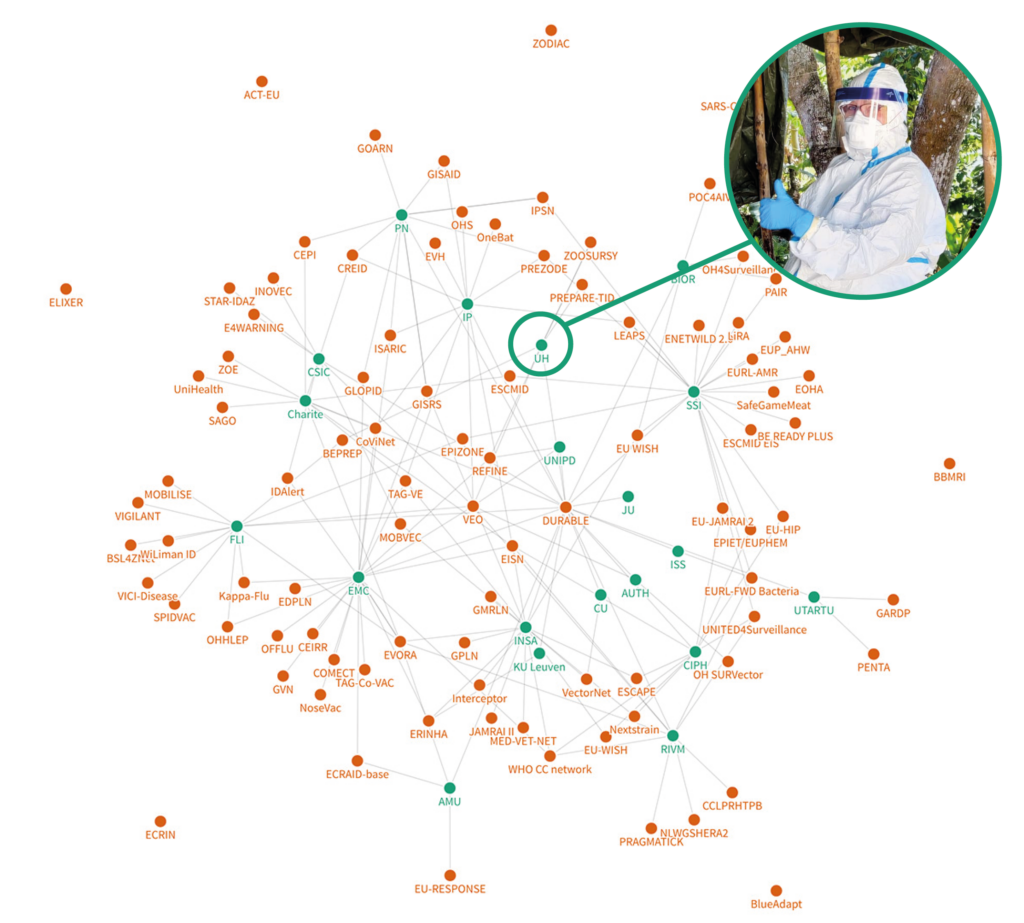
PROF. TARJA SIRONEN
UNIVERSITY OF HELSINKI
Can you share a little about yourself and your research?
I am professor of emerging infectious diseases from University of Helsinki. I lead a multidisciplinary One Health team that is working towards better understanding of why we have more and more outbreaks these days, and what can we do to respond better. Most outbreaks are caused by viruses originating from wildlife, so I focus on understanding the disease dynamics and transmission in the animals, and I believe that if we can increase the health of the environment and the animals, we could actually decrease the number of outbreaks.
How does your research fit into the bigger picture of Durable?
My research is in the very core of Durable, we are responding to outbreaks, whether it is avian influenza on fur farms or Marburg virus in bats. We develop and test new diagnostic tools, and discover new viruses in wildlife.
What motivates you to be part of Durable?
Durable is an excellent network of wide expertise made easily available to the partners. An outbreak situation requires swift action and multidisciplinary knowledge that one research group alone could never have. Outside of emergencies, I have found it extremely inspiring to be part of the network that openly shares their best knowledge across the consortium.
What do you expect to accomplish in the upcoming years within your own institute and by being connected to Durable?
We plan to be a national competence centre for pandemic preparedness, producing research results of highest quality. Our research hopefully supports the global efforts to mitigate the impact of infectious disease, and increases the health of the people, the animals and the environment. To ensure this impact, we will need to work closely with health authorities and policymakers.
What do you expect from Durable in the upcoming near future?
Durable has been the most inspiring community of researchers, and it pushes me to reach for the high gain projects instead of staying in the comfort zone. I expect to have even better research ideas and new connections to work with.
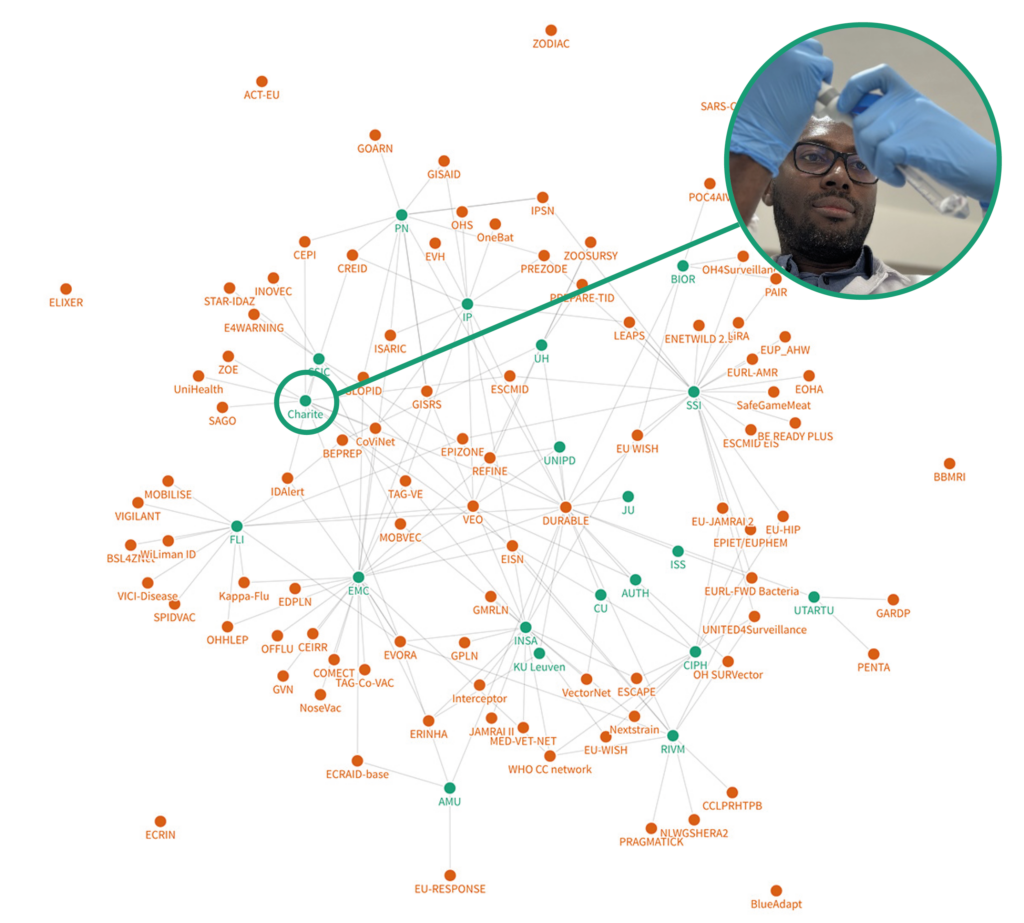
DR. PHILIP EL-DUAH
CHARITÉ – UNIVERSITÄTSMEDIZIN BERLIN
Can you share a little about yourself and your research?
I am a junior research group leader at the Institute of Virology of the Charité – Universitätsmedizin Berlin, working on infectious diseases and zoonotic pathogens, with a strong focus on laboratory-based diagnostics and serological surveillance. My research centers on understanding how viruses like Rabies and Marburg circulate within and between animal and human populations. In particular, I work on developing and validating serological assays to improve the detection of emerging and re-emerging viral threats.
How does your research fit into the bigger picture of Durable?
My work directly contributes to DURABLE’s goal of improving preparedness for emerging infectious diseases by strengthening diagnostic tools and surveillance strategies. By developing and refining assays for zoonotic viruses, my research helps generate reliable data on pathogen circulation and population-level exposure. This supports evidence-based decisions in public health and outbreak readiness.
What motivates you to be part of Durable?
I am motivated to be part of DURABLE because it brings together scientists from diverse disciplines, institutions, and regions to address a shared global challenge. DURABLE represents an opportunity to collaborate with experts beyond my own field and to contribute to a truly international effort focused on long-term preparedness rather than short-term response alone.
In addition, the network offers a valuable platform for knowledge exchange, mentorship, and capacity building, particularly for researchers working in regions heavily affected by infectious diseases. Being part of DURABLE allows me to both contribute to and benefit from this collective learning environment.
What do you expect to accomplish in the upcoming years within your own institute and by being connected to Durable?
At my institute, I aim to strengthen laboratory capacity for virus detection and serological monitoring, and to expand research on zoonotic pathogens relevant to the region. I also hope to contribute to training and mentoring students and early-career researchers, helping build the next generation of scientists focused on outbreak prevention.
Through DURABLE, I expect to contribute to international research outputs, establish lasting collaborations, and participate in projects that generate practical tools for outbreak preparedness.
What do you expect from Durable in the upcoming near future?
From DURABLE, I expect exposure to new methodologies, training opportunities, and collaboration across disciplines and countries. The network provides access to expertise, infrastructure, and ideas that would not be available within a single institution.
Most importantly, DURABLE offers a sense of purpose and community. It connects my work to a larger mission: reducing the risk and impact of future pandemics. Being part of DURABLE strengthens both my scientific skills and my confidence that my work contributes to something meaningful at a global scale.
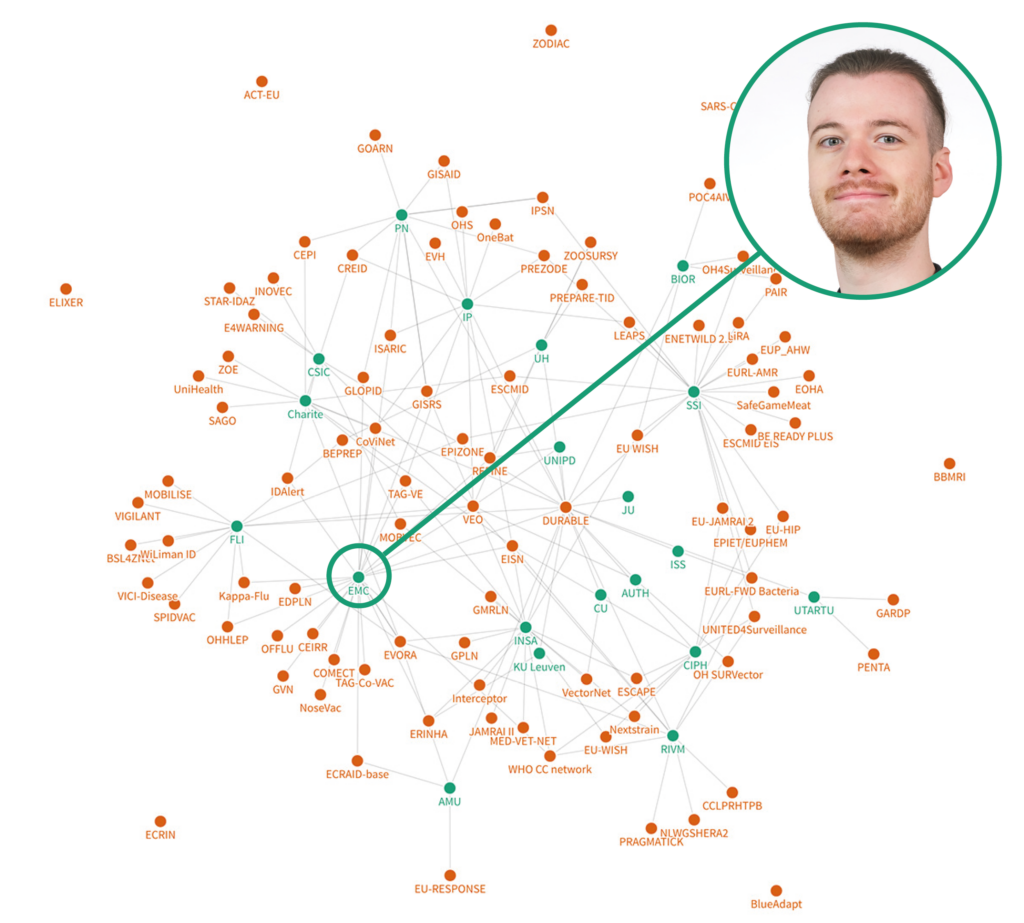
DR. LUCA ZAECK
ERASMUS MC
Can you share a little about yourself and your research?
I am a postdoctoral researcher at the Department of Viroscience, Erasmus University Medical Center Rotterdam (https://www.erasmusmc.nl/en/research/researchers/zaeck-luca). My research focuses on immunology of emerging viruses, with an emphasis on poxviruses serology. I am involved in projects about mpox virus-specific antibody responses induced by vaccination or infection; direct or indirect part of projects/consortia: JUA KIVU (EDCTP3-funded EU HORIZON mpox project between scientists from Europe and Africa), MPX-RESPONSE (EU-funded mpox consortium), ZonMw Infectieziektebestrijding, DURABLE.
What motivates you to be part of Durable?
Public health authorities are heavily reliant on scientific evidence to guide their recommendations on policy, vaccination, and outbreak countermeasures. Being able to be a (small) part of this system, providing evidence-based support to public health policy making, and having an impact on both outbreak containment but also on outbreak (and pandemic) preparedness are my ‘daily drivers’ that motivate me to do the research that I do. I highly value the clinical and translational aspects of my work.
What do you expect to accomplish in the upcoming years within your own institute and by being connected to Durable?
I hope to continue to be able to provide rapid, outcome-focused research on emerging viral diseases, improving our understanding of immune responses to novel viruses, and thereby helping to provide evidence-based support for vaccine development/deployment and policy making.
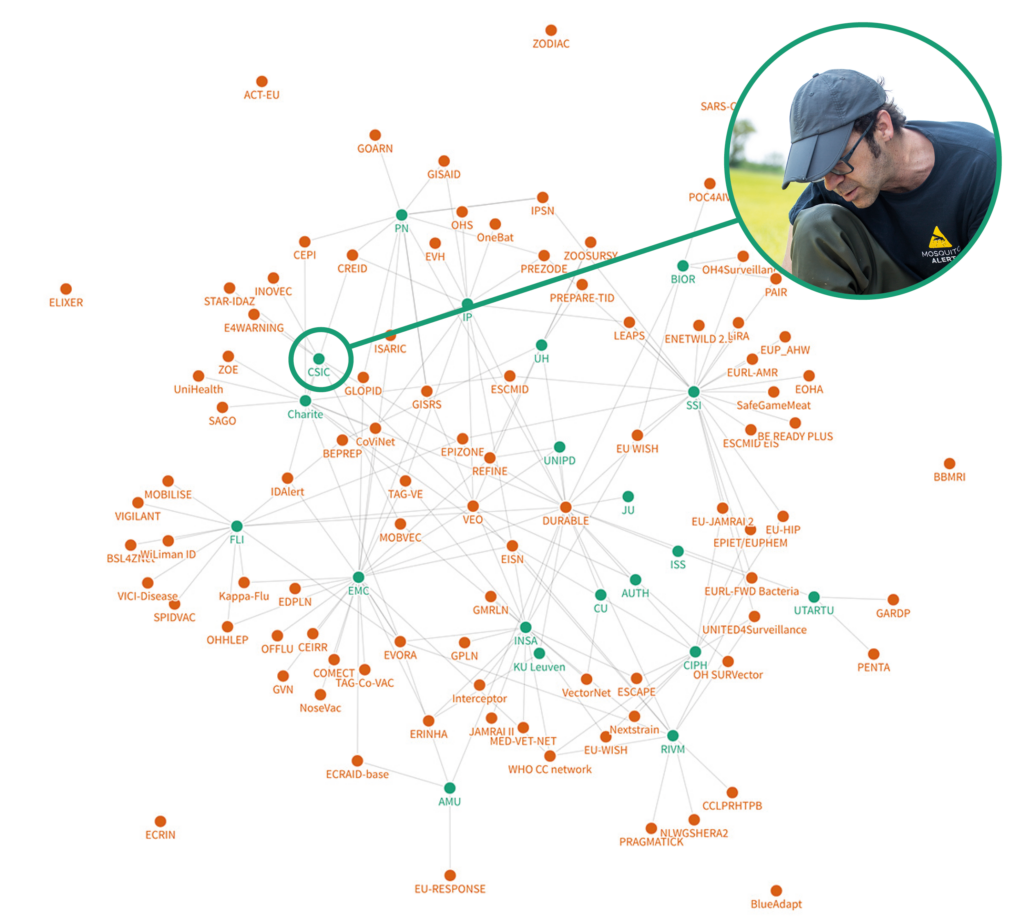
PROF. FREDERIC BARTUMEUS
CSIC – CEAB
Can you share a little about yourself and your research?
I am Frederic Bartumeus, an ICREA Research Professor in Theoretical and Computational Ecology at CSIC, Spanish National Research Council, a State Agency for scientific research and technological development in Spain. I am the head of the Ecology and Complexity Department at CEAB, and at my lab we explore the ecology of disease vectors, the movement of animals (hosts), and the spread of mosquito-borne diseases. My work is centered on bringing modelling and innovative data streams (and collection methods) to disease ecology, aiming to generate insights that can improve evidence-based public health preparedness. I am particularly inspired by the intersection of science and society: by empowering citizens to contribute meaningful data through digital tools, we can build early-warning systems that have a tangible impact on the prevention of mosquito-borne epidemics.
How does your research fit into the bigger picture of Durable?
DURABLE focuses on creating networks and infrastructures to anticipate and respond to outbreaks. My team’s work with Mosquito Alert (a citizen-based early warning system for mosquito-borne diseases across different countries) fits into this mission. By combining community-generated data, biases-correction and computational models, we can generate novel predictive insights that help anticipate disease risks. We can also fastly communicate early warning alerts to expert networks, and motivate behavioral changes towards risk minimization. Our approach emphasizes the integration of technology, citizen engagement, and data science, aligning perfectly with DURABLE’s vision of a modern preparedness network and lab infrastructure (in this casse digital labs).
What motivates you to be part of Durable?
Being part of DURABLE inspires me because it brings together outstanding researchers from multiple disciplines to tackle outbreak prevention collectively and multidisciplinarily, fostering common objectives and collaboration. Durable provides a base to enhance citizen-oriented surveillance, refine data-driven models, and explore new ways of communicating health risks effectively. Collaborating within such a multidisciplinary framework allows me to push the boundaries of how science can directly inform and protect public health. More specifically, we are transforming the Mosquito Alert platform into a toolkit that can be readily deployed in both routine surveillance and outbreak or crisis scenarios, while advancing our understanding of the potential of context-based, multi-channel community communication and engagement.
What do you expect to accomplish in the upcoming years within your own institute and by being connected to Durable?
I am an ecologist based in an aquatic ecology research centre, with a strong interest in the One Health framework as it relates to public health. My work focuses on developing novel technologies and data collection approaches to map and anticipate mosquito-borne disease risk. Within this context, my research spans disease ecology and predictive modelling, as well as the development of participatory, AI-enhanced real-time monitoring and early-warning tools. In parallel, I examine how different communication strategies—implemented through digital marketing and other channels—can be used to effectively reach specific population segments across diverse contexts and lifestyles, and how these strategies influence citizen engagement, data quality, the adoption of preventive measures, and behavioural change.
What do you expect from Durable in the upcoming near future?
Building from earlier EU funded research initiatives (VEO, AIM COST) that helped scale Mosquito Alert at continental scale, the ambition in DURABLE is to elevate the Mosquito Alert system into a mature, globally deployable public health asset, one that can be rapidly mobilised across diverse epidemiological, socio-environmental, and governance contexts, from emerging outbreaks to long-standing endemic settings. This includes enabling its expansion to regions such as Africa and Asia, where scalable, community-centred surveillance and early-warning systems are most urgently needed. Beyond deployment, a key vision is to secure sustainable, long-term hosting for these digital laboratories within a European network of research infrastructures and human capacity, ensuring continuity, interoperability, and resilience. In this way, DURABLE serves as a catalyst for transforming cutting-edge research into enduring, actionable capabilities that strengthen public health preparedness and response over the long term.
Share your bio with the network!
We are keen to post a bio of everyone involved in the DURABLE network on the website and in the newsletter as well!
Please share:
- Can you share a little about yourself and what kind of research you are involved in?
- How does your research fit into the bigger picture of Durable
- What motivates you to be part of Durable?
- What do you expect to accomplish in the upcoming years within your own institute and by being connected to Durable?
- What do you expect from Durable in the upcoming near future?
Please share your bio and picture with: newsletter@durableproject.org

DURABLE FELLOWSHIPS
In recent months, several lab visits and fellowships have taken place across the DURABLE network. Researchers have been engaging in collaborative exchanges, sharing knowledge, expertise, and best practices. In the coming months, additional visits are planned, further strengthening connections within the network. We will continue to keep you informed through our newsletter and share key insights and outcomes from these exchanges.

Characterization of a MERS-related betacoronavirus in Danish brown long-eared bats (Plecotus auritus)
Virology Journal, 2025, August 18
Camille Melissa Johnston, Vithiagaran Gunalan, Hans J. Baagøe, Anna S. Fomsgaard, Charlotta Polacek, Morten Rasmussen, Louise Lohse & Thomas Bruun Rasmussen
Influenza A(H5N8) vaccine induces humoral and cell-mediated immunity against highly pathogenic avian influenza clade 2.3.4.4b A(H5N1) viruses in at-risk individuals
PubMed, 2026, January 11
Oona Liedes, Arttu Reinholm, Nina Ekström, Anu Haveri, Anna Solastie, Saimi Vara, Willemijn F Rijnink, Theo M Bestebroer, Mathilde Richard, Rory D de Vries, Pinja Jalkanen, Erika Lindh, Niina Ikonen, Alba Grifoni, Alessandro Sette, Terhi Laaksonen, Riikka Holopainen, Laura Kakkola, Maija Lappalainen, Ritva K Syrjänen, Pekka Kolehmainen, Ilkka Julkunen, Hanna Nohynek, Merit Melin
Long-term consequences of monkeypox virus infection or modified vaccinia virus Ankara vaccination in Belgium (MPX-COHORT and POQS-FU-PLUS): a 24-month prospective and retrospective cohort study
The Lancet, March 2026
Christophe Van Dijck PhD, Nicole Berens-Riha PhD, Luca M Zaeck PhD, Cécile Kremer PhD, Jacob Verschueren MSc, Jasmine Coppens PhD, Fien Vanroye MSc, Elisabeth Willems BSc, Evi Bosman BSc, Natalie De Cock BSc a, Bart Smekens MSc a, Leen Vandenhove MD a, Odin Goovaerts PhD a, Anke Van Hul BSc, Janne Wouters MSc, Bart K M Jacobs PhD, Stefanie Bracke MD, Matilde Hens MD, Isabel Brosius MD, Elise De Vos MSc,Laurens Liesenborghs PhD
Despite good intentions, the regulation on in vitro diagnostic medical devices (IVDR) in Europe could impact negatively on preparedness and response for the next pandemic
Eurosurveillance, 2026, January 15
Richard Molenkamp, Lance D Presser, Sylvain Baize, Delphine Pannetier, Chantal BEM Reusken, Christian Drosten, Marion Koopmans


Human bird flu vaccines purchased by the Netherlands may offer good protection, new research shows
Interview with Rory de Vries, virologist of Erasmus MC
Bird flu vaccine
The vaccines had already been declared safe. But because the vaccine has been updated to the latest variant, just like with the annual flu shot, the effectiveness still had to be investigated. There are not yet any concrete plans to distribute the shots
A bird flu vaccine for humans, of which a number of European member states jointly purchased around 665,000 doses last year, probably offers good protection against the virus. This emerges from a Finnish study that was published on Friday in Nature Microbiology, in which Erasmus MC in Rotterdam also took part. The shot induces immunity against multiple variants of bird flu that are currently circulating in Western Europe and in the United States. In poultry and wild birds in the Netherlands, the very contagious and disease-causing H5N1 variant currently predominates.
“On the basis of the high antibody response that we measured in the Finnish participants, we expect that the shot can prevent people from becoming ill from bird flu,” says virologist Rory de Vries of Erasmus MC.

AI in Healthcare
On 12 December 2025, Marion Koopmans, researcher and virologist, gave a lecture for the Royal Netherlands Academy of Arts and Sciences (KNAW) at the Trippenhuis in Amsterdam on the possibilities (and dangers) of AI in healthcare. Key messages from this lecture were also reflected in a recent interview with KNAW:
“Developments [of AI in healthcare] are moving fast. For example, American researchers, with the help of AI, recently succeeded in writing a genetic code for a new virus that could kill antibiotic-resistant E. coli bacteria. If you could treat diseases more often in this way, that would of course be fantastic,” says Marion.

Strengthening Europe’s Epidemic Preparedness
Durable (Delivering a Unified Research Alliance of Biomedical and public health Laboratories against Epidemics) is a European research consortium that builds a coordinated network of top diagnostic and public health laboratories to improve preparedness for infectious disease outbreaks and other health threats. It provides high-quality scientific data quickly to support decision-making by health authorities like HERA, including pathogen detection, analysis, and response planning. The project also focuses on sustainable capacity building, training, and rapid deployment of countermeasures to better prevent and respond to future epidemics.
Learn more about our activities: www.durableproject.org

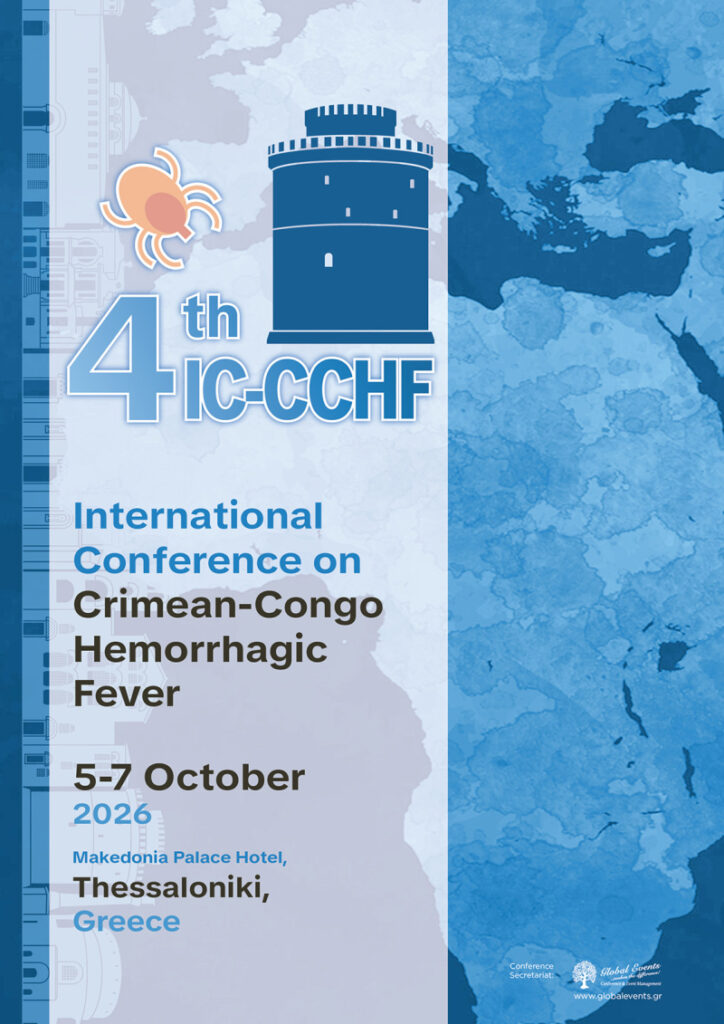
5 – 7 October 2026
4th IC – CCHF International Conference
International Conference on
Crimean – Congo Hemorrhagic Fever
Location: Thessaloniki – Greece
NCOH Pandemic Preparedness
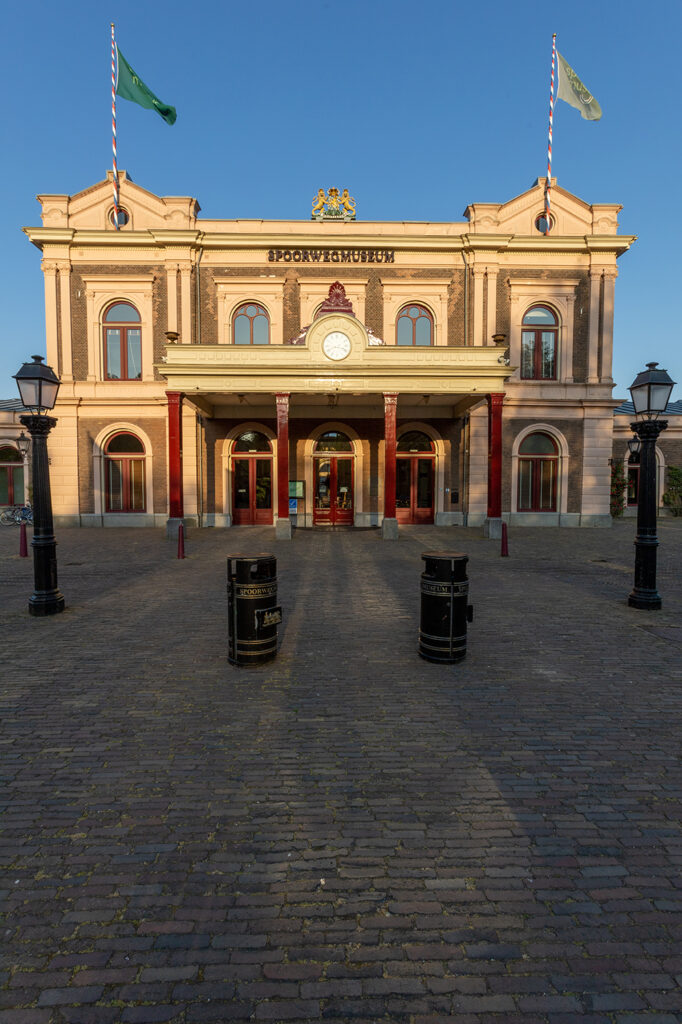
The concluding symposium of the Netherlands Center for One Health (NCOH) Kickstarter project Pandemic Preparedness will take place on 9 April at the Spoorwegmuseum in Utrecht, The Netherlands. Leading One Health experts and policymakers will gather to discuss critical topics under the theme From Insight to Action: One Health Strategies for Pandemic Readiness.
Details
Date: 9 April 2026
Time: 9.30 am – 6 pm (CEST)
Location: Spoorwegmuseum Utrecht, The Netherlands. Onsite event only (no online possibilities).
Click here for more information and registration.
One Health Summer School 17-28 August 2026
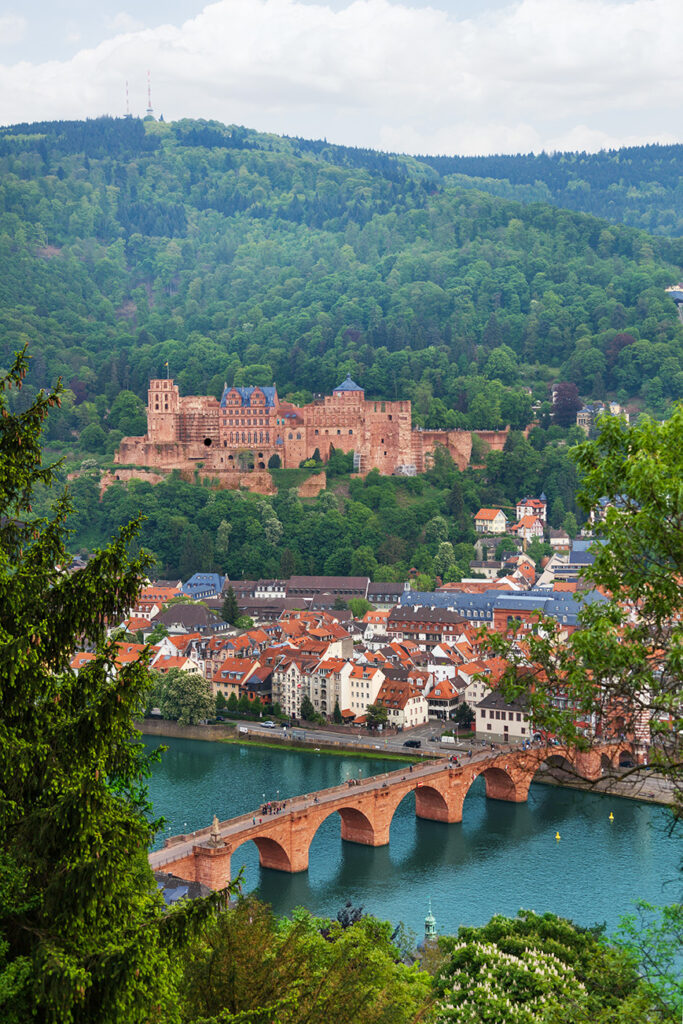
Are you a passionate scientist or young professional eager to tackle the complex challenges of infectious diseases in a changing climate? Join the One Health Summer School from 17-28 August 2026 in Rotterdam (the Netherlands) and Heidelberg (Germany) and deepen your understanding of the One Health methods and practical tools to study and address risks of infectious diseases.
Details
Date: 17-28 August 2026
Location: Rotterdam, The Netherlands and Heidelberg, Germany
Click here for more information and registration.

Institut Pasteur
25-28 Rue du Dr Roux
75015 Paris
France
+33 1 45 68 80 00
comm_durable@pasteur.fr
Erasmus MC
Dr. Molewaterplein 40
3015 GD Rotterdam
The Netherlands
+31 10 704 0 704
projects.viroscience@erasmusmc.nl
Want to share news, a publication or an agenda item?
Send it to our editor Maaike.