
Newsletter October 2025

View this newsletter online via Mailchimp

Durable Summerschool
“Bioinformatics for Epidemics”
Institut Pasteur – July 2025
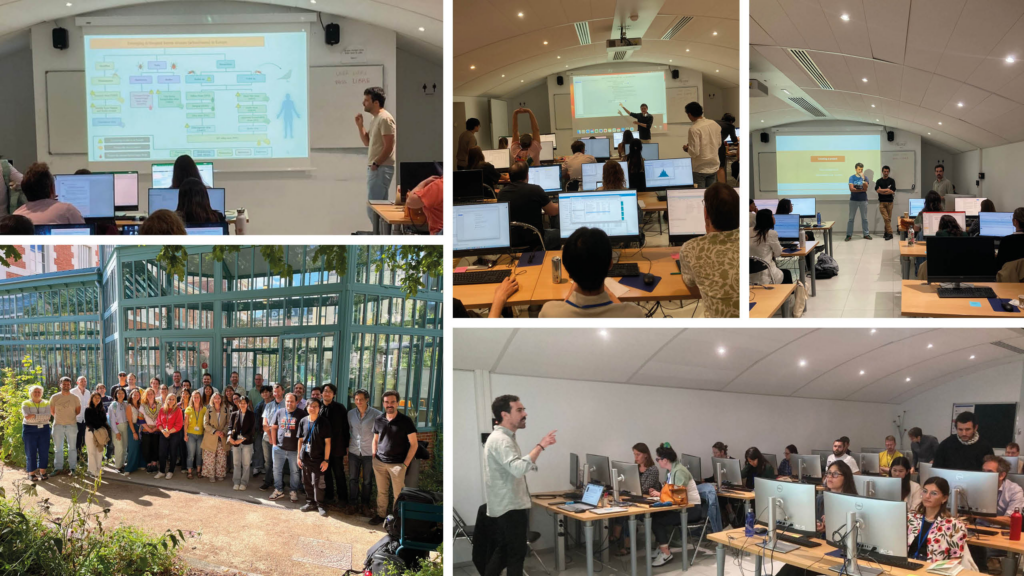
In July 2025 a Durable Summerschool was organized by The Pasteur Network, at Institut Pasteur in France. The summerschool was designed around simulated outbreak scenarios to provide hands-on experience with genomic tools at different stages of an outbreak investigation. Participants have learned how to detect pathogens, analyze their origins, and trace transmission routes using state-of-the-art bioinformatics methods. The overall objective was to gain insight into bioinformatics applications for specific questions related to outbreak response.
By the end of this course, participants did have knowledge and tools to:
- Apply metagenomic techniques (in silico) for pathogen detection.
- Use global genomic datasets to assess pathogen evolution and origins.
- Analyze transmission dynamics using phylodynamics.
- Interpret genomic data to inform outbreak response strategies.
The course was structured around three applied outbreak scenarios, each focusing on one specific disease. Participants used genomic and epidemiological data to investigate the source, transmission patterns, and public health implications of each situation.
Many participants from the Durable labs, institutes across Europe and from Pasteur Network joined the Summer School. We thank everyone for their active participation – it was wonderful to bring the entire Durable network together!

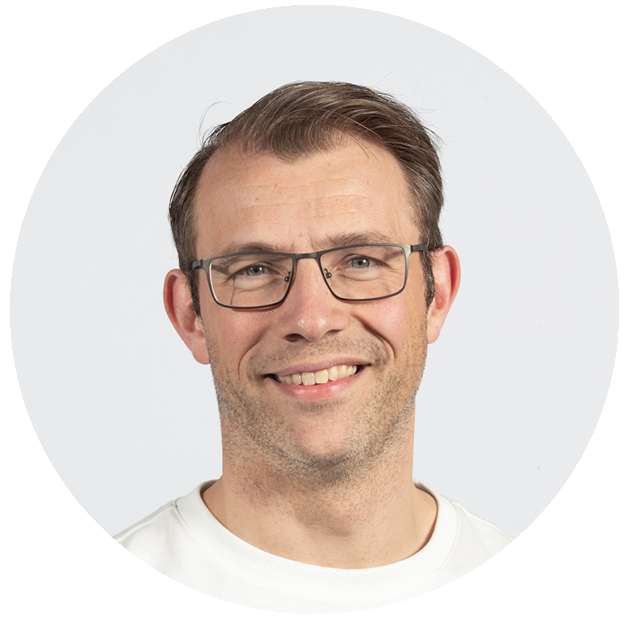
Rory de Vries
Erasmus MC – The Netherlands
Which researchers are involved in Durable? We’d like to introduce a few of them to you. This time in the spotlight: Associate Professor Rory de Vries, workinggroup leader at the Department of Viroscience at Erasmus MC. Rory’s group involves 17 people, including postdocs, PhD candidates, and analysts.
Can you share a little about yourself and what kind of research you are involved in?
“My research group studies the immune response to respiratory infections. This subject has fascinated me ever since my PhD research on the impact of the measles virus on the immune system. In this group, immunology and virology are combined — to me, a perfect middle ground. In our research, we examine what is important for vaccinations: how can you tell whether people are immune or not, and whether vaccines work? It is crucial that we understand the immune response to respiratory viruses, so we can improve vaccination.”
Hoe does your research fit into the bigger picture of Durable?
“The Durable project has much in common with our approach. The focus of our research is not so much on pathogens themselves, but rather on how the immune system works. Influenza, corona — to the immune system, respiratory viruses look very similar, and it therefore responds in comparable ways to different infections. This allows us to adapt quickly when the situation requires it. We design our research methods so that, when a particular virus emerges, the protocols are already in place. For example, when mpox recently appeared, we were able to get started right away.”
“The Durable project also focuses on countermeasures for various epidemics. For instance, we have now been asked to conduct research on H5, the avian influenza virus. Because we work in such a flexible way, this is no problem for us. The downside of this approach, however, is that there is less time for in-depth research.”
What motivates you to be part of Durable?
“I like that the project focuses on urgent situations. Instead of working on a fixed topic for two years, you can respond immediately to what is needed. That gives a kind of adrenaline rush, especially because the research always has to be completed quickly.”
“The international collaboration within Durable is certainly another advantage. We learn from one another and, for example, exchange reagents. Soon, someone from Portugal will visit to gain experience with the assays of our Work Package. We will then provide the reagents for the rollout of the assays in Portugal. At the same time, the Statens Serum Institute is also studying influenza immunology, and we plan to use the same reagents there as well. This allows us to generate comparable data, which greatly increases the impact of the studies. Moreover, harmonising study protocols is important for Hera.”
What do you expect to accomplish in the upcoming years within your own institute and by being connected to Durable?
“At the moment, within Durable, we are working on avian influenza vaccines and analysing immune responses after vaccination. In this study, we look at how the immune system functions in both the blood and the nose against H5.”
“Within my own research group, we focus on how immunity to respiratory viruses is measured. The current method, which relies on blood samples, may not be the most ideal — ideally, you would want to stop the virus earlier. That’s why we are now looking at mucosal immunity: what immune responses can we find in the respiratory tract? To study this, we use a nasal swab from which we read immunological parameters. We aim to further develop this method. This is the direction the field is moving in, and it would therefore also be relevant for a future phase of Durable. Vaccines prevent disease, but they still do not sufficiently reduce viral transmission. That is the next step we would like to focus on in follow-up research within Durable.”
What do you expect from Durable in the upcoming near future?
“A lot has happened over the past two years — the labs are working together more and more closely. As a result, you can really see greater synergy emerging. I hope that in the coming years we can carry out even more joint research, so that we can achieve that ‘1+1=3 effect’.”
What do you expect from Durable in the upcoming near future?
“A lot has happened over the past two years — the labs are working together more and more closely. As a result, you can really see greater synergy emerging. I hope that in the coming years we can carry out even more joint research, so that we can achieve that ‘1+1=3 effect’.”
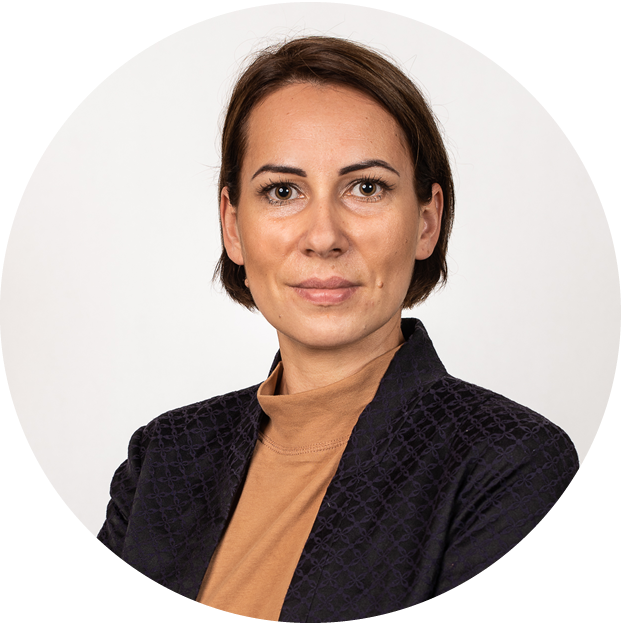
Aleksandra Milewska
Jagiellonian University – Poland
Can you share a little about yourself and what kind of research you are involved in?
I’m a passionate, curiosity-driven virologist, fascinated by respiratory viruses, with a special focus on coronaviruses. My journey began with studies on low-pathogenic coronaviruses infecting humans and other mammals, and later expanded to more dangerous pathogens such as MERS-CoV and, inevitably, SARS-CoV-2. When the pandemic struck, I was the first in my lab to take on this virus — work that continues to this day. What motivates me is not only the scientific challenge but also the knowledge that understanding these pathogens is key to preventing and mitigating future pandemics. I still feel I have more to uncover about coronaviruses before my curiosity is satisfied.
How does your research fit into the bigger picture of Durable?
My research fits seamlessly into Durable’s vision of preparing for the next viral threat. I investigate how SARS-CoV-2, and other coronaviruses evolve to shape their infection landscape, for example by adapting to different host proteases that activate the Spike protein, a critical step for viral entry. Beyond that, I explore what other, still unknown, host factors are required for infection. In this way, I aim to uncover not only how these viruses function today, but also how they may change in the future — exactly the type of knowledge we need to anticipate and counter emerging threats.
What motivates you to be part of DURABLE?
What motivates me to be part of DURABLE is the consortium itself — bringing together some of the leading virologists in Europe. Being part of such a collaborative and ambitious effort is both a privilege and a source of inspiration. It motivates me every day to contribute my expertise and to learn from colleagues who share the same commitment to preparing for future viral threats.
What do you expect to accomplish in the upcoming years within your own institute and by being connected to Durable?
In the coming years, I hope to contribute important data and foster collaborations that will ensure I know exactly who to call when the next viral threat emerges. At the same time, as I begin my journey as an independent researcher, I aim to build a strong virology team within my institute — one that is recognized and valued by partners across the consortium. Through Durable, I see an opportunity not only to strengthen our preparedness collectively, but also to grow as a scientist and leader.
What do you expect from Durable in the upcoming near future?
For me, the greatest value Durable has already brought is the opportunity to get to know the partners — and for them to get to know me. Looking ahead, what I expect is precisely the essence of the consortium: that when “virus X” emerges, we will not compete for the fastest publications, but instead prioritize collaboration to quickly understand what we are facing. I believe this is not only what will make us most effective as scientists, but also what society rightfully expects from us.
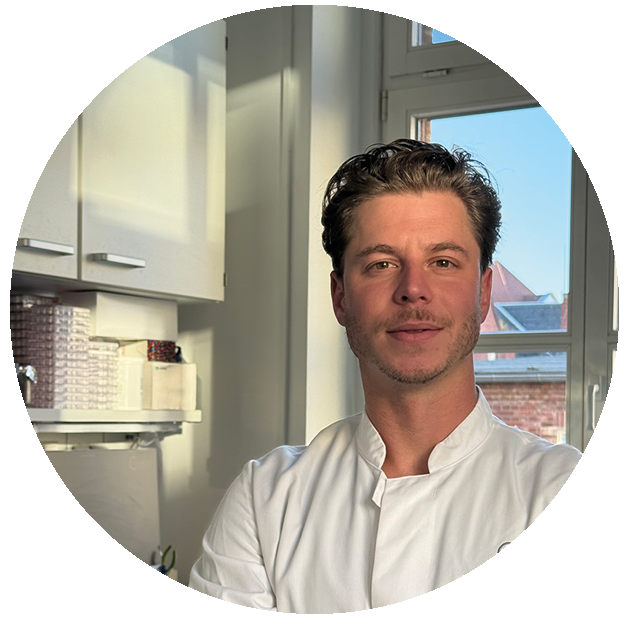
Jordi Rodon Aldrufeu
Charité – Germany
Can you share a little about yourself and what kind of research you are involved in?
I am a researcher at the Drosten Lab, Institute of Virology, Charité Universitätsmedizin Berlin, where I study (re-)emerging zoonotic pathogens with pandemic potential. My work is especially dedicated to MERS-CoV and other coronaviruses, focusing on the phenotypic characterization of novel viral variants from the field to help improve pandemic preparedness. My research is highly devoted to the ‘One Health’ initiative.
Hoe does your research fit into the bigger picture of Durable?
Changes in pathogen phenotype are a critical yet underexplored factor in pandemic forecasting. By understanding the intrinsic features of high-risk animal and human coronaviruses, including their pathogenesis and mechanisms of immune evasion, we can better integrate emerging phenotypic traits into pandemic preparedness strategies.
What motivates you to be part of DURABLE?
My research goals align closely with the mission of the DURABLE consortium — to enhance awareness of pandemic potential and strengthen response strategies against emerging zoonotic pathogens. DURABLE provides a platform to translate my research outcomes into practice by delivering actionable insights and pathogen risk assessments to EU-level pandemic preparedness networks and other public health authorities.
What do you expect to accomplish in the upcoming years within your own institute and by being connected to Durable?
Little is known about how MERS-CoV has evolved during the COVID-19 pandemic and how its variants have changed over time. In the coming years, one of the goals of my research at the Institute of Virology is to elucidate these changes by linking patterns observed in the field with laboratory phenotypes.
What do you expect from Durable in the upcoming near future?
By integrating my work with DURABLE, I will ensure that these insights inform EU-level risk assessments and preparedness strategies, translating research into tangible actions that strengthen pandemic preparedness. At the same time, DURABLE provides a unique platform to foster collaboration with experts across the EU, grant access to shared data and risk assessment tools, and enable my research outcomes to have real-world public health impact, ensuring that scientific discoveries directly support coordinated preparedness and response against emerging zoonotic threats.
Share your bio with us!
We are keen to post a bio of everyone involved in the DURABLE network on the website and in the newsletter as well!
Please share:
- Can you share a little about yourself and what kind of research you are involved in?
- How does your research fit into the bigger picture of Durable
- What motivates you to be part of Durable?
- What do you expect to accomplish in the upcoming years within your own institute and by being connected to Durable?
- What do you expect from Durable in the upcoming near future?
Please share your bio and picture with: newsletter@durableproject.org

DURABLE FELLOWSHIPS
In recent months, several lab visits and fellowships have taken place across the DURABLE network. Researchers have been engaging in collaborative exchanges, sharing knowledge, expertise, and best practices. In the coming months, additional visits are planned, further strengthening connections within the network. We will continue to keep you informed through our newsletter and share key insights and outcomes from these exchanges.
Visit Alexandre Bouffier to
the Statens Serum Institute
Alexandre Bouffier, PhD Department of Viroscience of Erasmus MC went to the Statens Serum Institut for a month to establish an animal organoid model.
During the beginning of the SARS-CoV-2 pandemic, substantial outbreaks in mink farms in Denmark, the Netherlands, Finland and Poland lead to the culling of millions of animals, highlighting the substantial role of these animals in the spread of this coronavirus. Furthermore, the identification of a novel MERS-like merbecovirus utilizing ACE-2 as entry receptor in mink in China underlined the potential of minks as intermediate host for other coronaviruses, bridging transmission into human populations. Zoonotic spillovers are responsible for outbreaks of different coronaviruses such as SARS-CoV (2003), MERS-CoV (2013) and more recently SARS-CoV-2 (2019). Although bats are considered as reservoir host of many coronaviruses including those highly pathogenic human coronaviruses, intermediate hosts such as mink are potentially important in the emergence of novel coronaviruses but also influenza viruses such as H5N, in humans.
To further investigate the zoonotic transmission of coronaviruses, the collaboration of the Department of Viroscience and the Statens Serum Institute aims to establish organoids from mink in order to grow and isolate viruses circulating in mink farms, to study the evolution of these mink-derived viruses, study the tropism in the animal and compare it to human isolates of SARS-CoV-2. This will promote our understanding of species-specific drivers of infection and mechanism of interspecies transmission.
The fellowship happened with the team of Ria Lassaunière where Alexandre could transmit the knowledge of animal organoid culture and give them all the tools to use the technique.
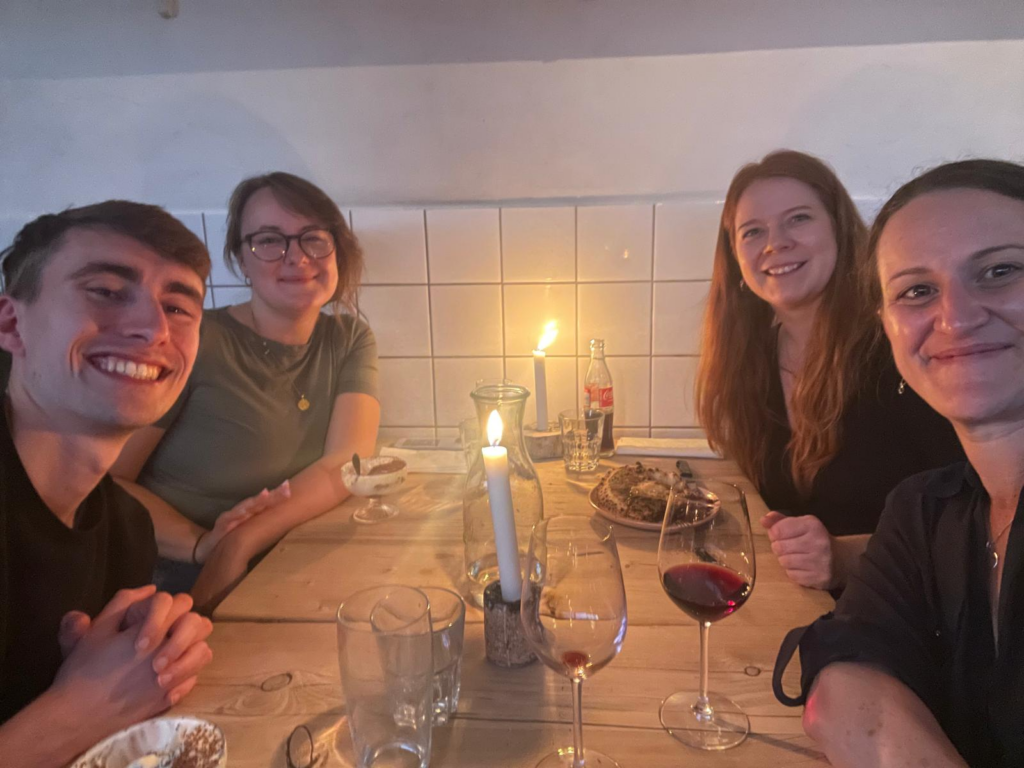
From the right to the left : Ria Lassaunière (front right), Jeannette Linnea Tingstedt (back right), Máiréid Bull (back left), Alexandre Bouffier (front left).
Hello DURABLE Network!
I’m Christina, a researcher at the Istituto Superiore di Sanità (ISS), working in the National Arboviruses Reference Laboratory (NRLA) within the Unit of Arbovirus, Hantavirus and Emerging Viruses, Department of Infectious Diseases, in Rome, Italy. Our laboratory is dedicated to the diagnostic verification and surveillance of arboviral and zoonotic emerging infections. My role focuses on data and bioinformatic analysis supporting both surveillance and outbreak investigations.
In December 2024, I had the great pleasure of being awarded a DURABLE Network Fellowship at the Genomics and Bioinformatics Unit, Department of Infectious Diseases, Instituto Nacional de Saúde Doutor Ricardo Jorge (INSA) in Lisbon, Portugal, under the supervision of Dr. Vítor Borges.
The one-week training was focused on the use of the INSaFLU-TELEVIR bioinformatics platform (https://insaflu.insa.pt) for the implementation of whole genome sequencing (WGS) analysis pipelines for dengue virus (DENV) and other arboviruses. During the fellowship, we explored how the bioinformatic tools are used in the platform and got a deeper understanding of how the separate pipelines in the platform work. Through discussions and hands-on practice, I started using also a Linux-based analysis environment.
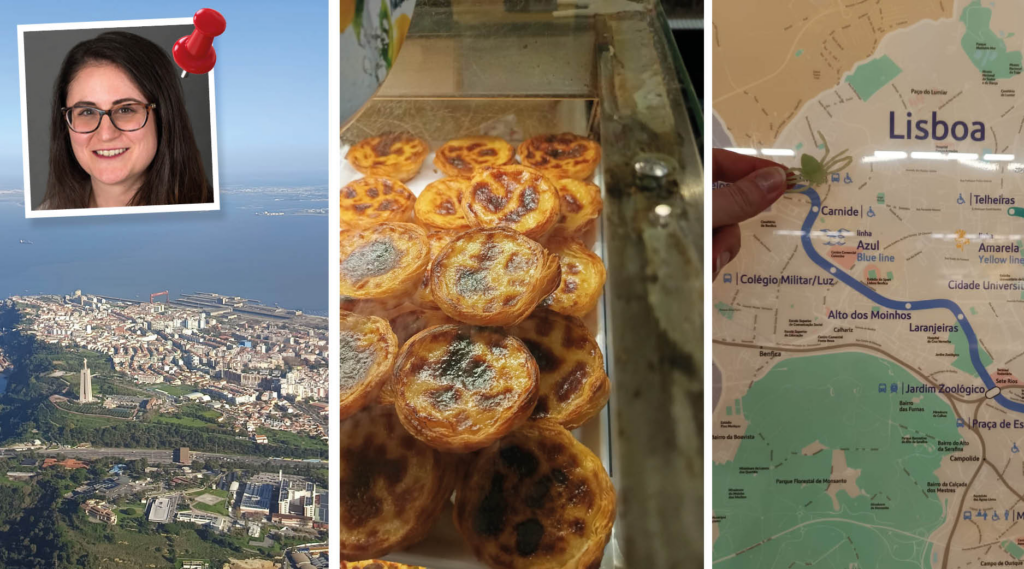
Upon return to Rome, I immediately started applying the knowledge gained to establish dedicated bioinformatic protocols for arbovirus surveillance in our laboratory. Furthermore, a Linux-based WGS analysis pipeline, now routinely used by our team, was developed in the coming months. These tools have proven invaluable in our ongoing genomic monitoring, including recent work on tracking CHIKV introductions during the 2025 Italian outbreak using the Nextstrain framework integrated withing the INSaFLU platform.
This fellowship was an enriching experience, providing not only new technical skills and scientific insights but also fostering collaboration under the HERA initiative, aiming to strengthen Europe’s capacity for prevention, detection, and rapid response to infectious disease threats.
Wish I could go again to learn more and eat more pastel de Belém!
Christina

A vaccine central in A(H5) influenza antigenic space confers broad immunity
Adinda Kok, Samuel H. Wilks, Sina Tureli, Sarah L. James, Theo M. Bestebroer, David F. Burke, Mathis Funk, Stefan van der Vliet, Monique I. Spronken, Willemijn F. Rijnink, David J. Pattinson, Dennis de Meulder, Miruna E. Rosu, Pascal Lexmond, Judith M. A. van den Brand, Sander Herfst, Derek J. Smith, Ron A. M. Fouchier & Mathilde Richard
One Health approach uncovers emergence and dynamics of Usutu and West Nile viruses in the Netherlands
Emmanuelle Münger, Nnomzie C Atama, Jurrian van Irsel, Rody Blom, Louie Krol, Tjomme van Mastrigt, Tijs J van den Berg, Marieta Braks, Ankje de Vries, Anne van der Linden, Irina Chestakova, Marjan Boter, Felicity D Chandler, Robert Kohl, David F Nieuwenhuijse, Mathilde Uiterwijk, Ron A M Fouchier, Hein Sprong, Andrea Gröne, Constantianus J M Koenraadt, Maarten Schrama, Chantal B E M Reusken, Arjan Stroo, Judith M A van den Brand, Henk P van der Jeugd, Bas B Oude Munnink, Reina S Sikkema, Marion P G Koopmans
Dengue and Oropouche virus co-infection in a traveller from Cuba to Portugal
Líbia Zé-Zé, PhD , Joana Laranjinha, MD , Vítor Borges, PhD , Ana L Graça, MD , Daniel Sobral, PhD , João D Santos, PhD, Ana C Carvalho, MD , Nuno R Faria, PhD, João P Gomes, PhD , Maria J Alves, PhD
Coordinated implementation of a conventional PCR assay to detect all Ebola and Marburg virus species in a European laboratory network
K.C. Heimsch, T. Bleicker, T.D. Best, L.D. Presser, R. Molenkamp, A.J. Jääskeläinen, A. Milewska, J. Šmahelová, C. Baronti, S. Pappa, I. Tabain, R. Cordeiro, G. Marsili, K. Huik, V. Pinho dos Reis, L. Barzon, P. Maes, C. Drosten, V.M. Corman
Artificial intelligence and One Health: potential for spillover prediction?
Marion Koopmans, Istvan Csabaib, Daniel Remondinic, Emma Snaryd, Frank Aarestrup
Isolation and genetic characterization of a novel Kevo orbivirus and a strain of Mobuck virus from Ochlerotatus communis mosquitoes in Finland
Maija T. Suvanto, Phuoc T. Truong Nguyen, Hanna Vauhkonen, Viktor Olander, Ruut Joensuu, C. Lorna Culverwell, Katariina Kaansalo, Jussi Hepojoki, Olli Vapalahti, Essi M. Korhonen, Teemu Smura1and Eili Huhtamo
Characterization of monkeypox virus clade IIb lineage B1 strains in animal models: insights into virulence
Lorenz Ulrich, Kore Schlottau, Ann Kathrin Ahrens, Nico Joel Halwe, Jacob Schön, Joachim Jakob Bugert, Daniel Bourquain, Andreas Nitsche, Martin Beer & Donata Hoffmann
Evolution, spread and impact of highly pathogenic H5 avian influenza A viruses
Beatriz Bellido-Martín, Willemijn F. Rijnink, Matteo Iervolino, Thijs Kuiken, Mathilde Richard & Ron A. M. Fouchier
Developing molecular surveillance of SARS-CoV-2 in the Czech Republic (2021–2022)
Timotej Šúri, Lucie Pfeiferová, Matěj Bezdíček, Jan Svatoň, Vladimír Hampl, Karel Berka, Helena Jiřincová, Martina Lengerová, Martin Kolísko, Alexander Nagy, Ruth Tachezy, Czech COVID-19 Genomics Consortium, Michal Kolář & Jan Pačes

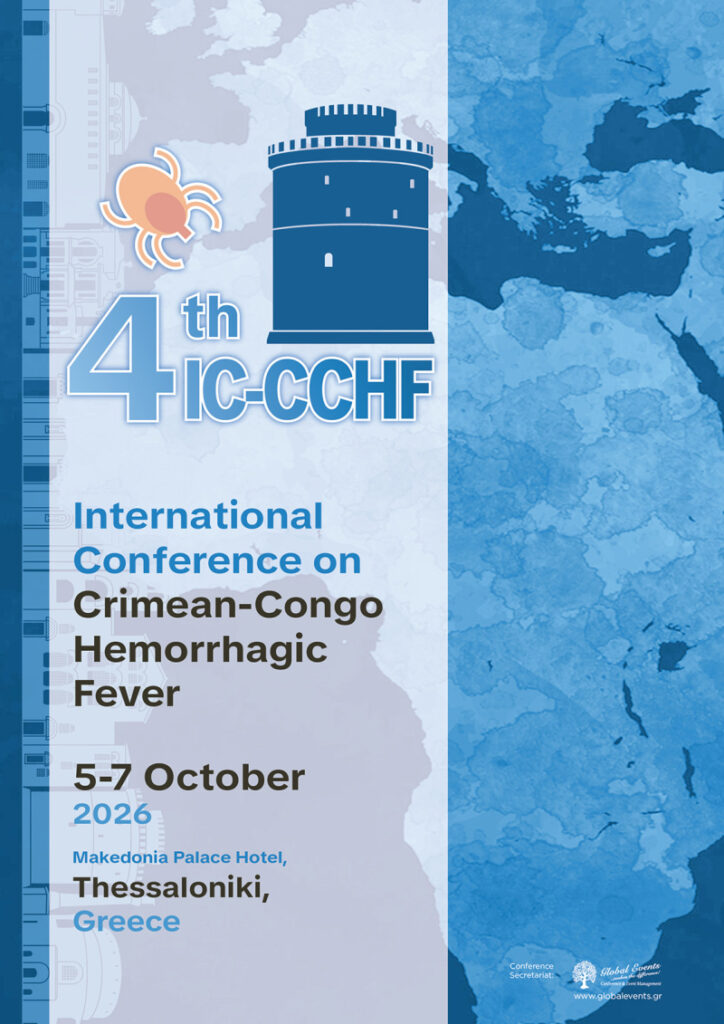
5 – 7 October 2026
4th IC – CCHF International Conference
International Conference on Crimean – Congo Hemorrhagic Fever
Location: Thessaloniki – Greece

Institut Pasteur
25-28 Rue du Dr Roux
75015 Paris
France
+33 1 45 68 80 00
comm_durable@pasteur.fr
Erasmus MC
Dr. Molewaterplein 40
3015 GD Rotterdam
The Netherlands
+31 10 704 0 704
projects.viroscience@erasmusmc.nl
Want to share news, a publication or an agenda item?
Send it to our editor Maaike.