Olivier Schwartz
INSTITUT PASTEUR
Can you share a little about yourself and your research?
My name is Olivier Schwartz, a virologist at Institut Pasteur in Paris. Institut Pasteur has a long historical role in infectious disease research, public health, and the study of pathogens that affect human populations worldwide. It has been at the forefront of virology, immunology, and epidemic preparedness for decades, and it remains a major international reference point for fundamental and translational research.
My research focuses on how viruses enter cells, spread, and interact with the immune system, with a strong interest in emerging viruses and the mechanisms that drive spillover, transmission, and immune escape.
A personal motivation behind my work is the prevention of future pandemics. Understanding viruses at the molecular level is not only scientifically fascinating, it is also essential for anticipating threats early and improving preparedness before the next outbreak begins.
How does your research fit into the bigger picture of Durable?
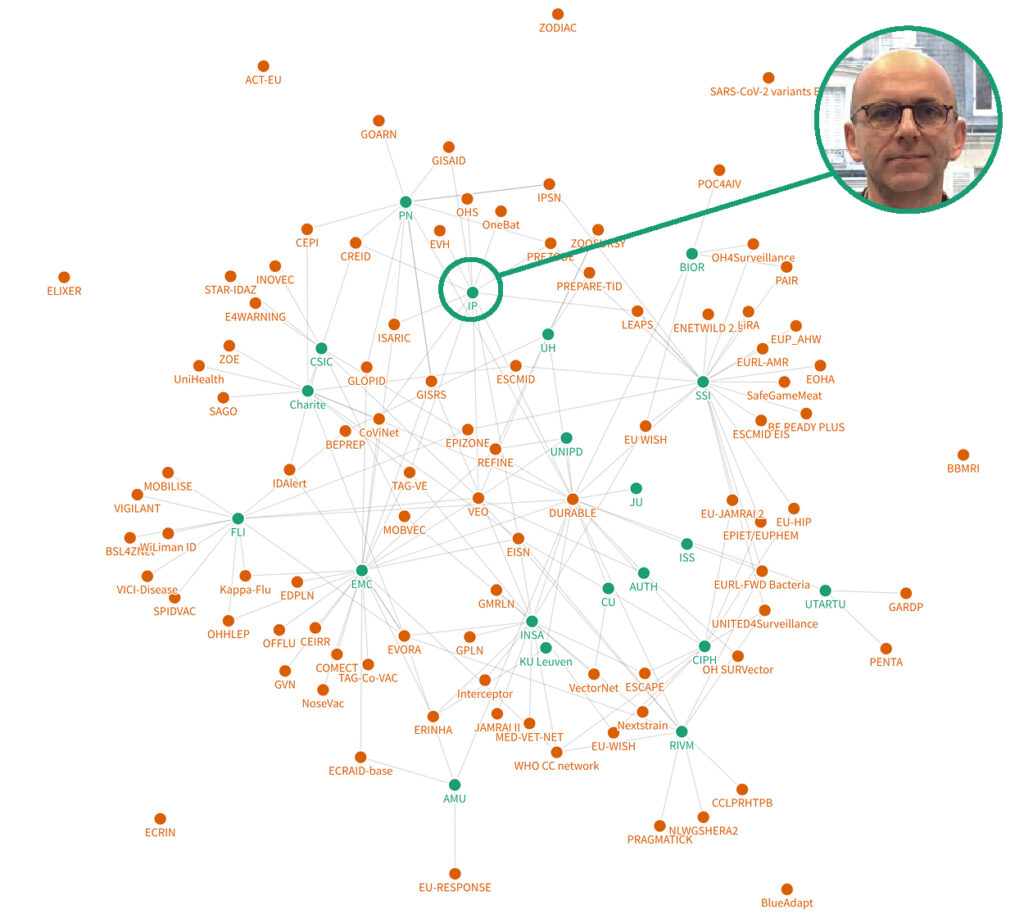
My research fits naturally into DURABLE because the consortium is built around a central challenge: understanding how viruses emerge, adapt, and persist, and how European science can respond in a coordinated way, especillay in these global troubled times. My work contributes to this by bringing expertise in viral multiplication, host range and immune evasion.
This is directly relevant to DURABLE’s broader aims of improving readiness against future viral threats. By studying the rules that govern virus-host interactions, we can help identify which viral lineages are most concerning, which host factors matter most, and where prevention strategies should be focused.
“Major viral threats cannot be addressed by one laboratory, one institute, or one country alone. They require shared expertise, resources, and scientific ambition”
What motivates you to be part of Durable?
I am part of DURABLE since its beginning and I am motivated to continue because major viral threats cannot be addressed by one laboratory, one institute, or one country alone. They require shared expertise, resources, and scientific ambition.
DURABLE offers a framework for connecting virology, immunology, ecology, structural biology, and public health in a way that already generated insights with real impact. For me, participating in such a consortium is also a way to contribute to a collective European effort that is both scientifically strong and socially relevant.
What do you expect to accomplish in the upcoming years within your own institute and by being connected to Durable?
Within Institut Pasteur, I expect to continue strengthening research on novel viruses, and of course training the next generation of scientists in these areas. I also hope to strengthen collaborations with my European colleagues. The global aim is to connect fundamental virology with translational questions relevant to preparedness and prevention.
Through my connection to DURABLE, I hope to help build joint projects, compare findings across systems and countries, harmonize assays and contribute to a more integrated understanding of viral durability, adaptation, and control. In the coming years, I would like this collaboration to generate both mechanistic insight and practical tools that improve our response to emerging viruses.
What do you expect from Durable in the upcoming near future?
From DURABLE, I expect scientific synergy, intellectual stimulation, and a framework for long-term collaboration.